

Ecosystem Services
The benefits that people obtain from peatlands
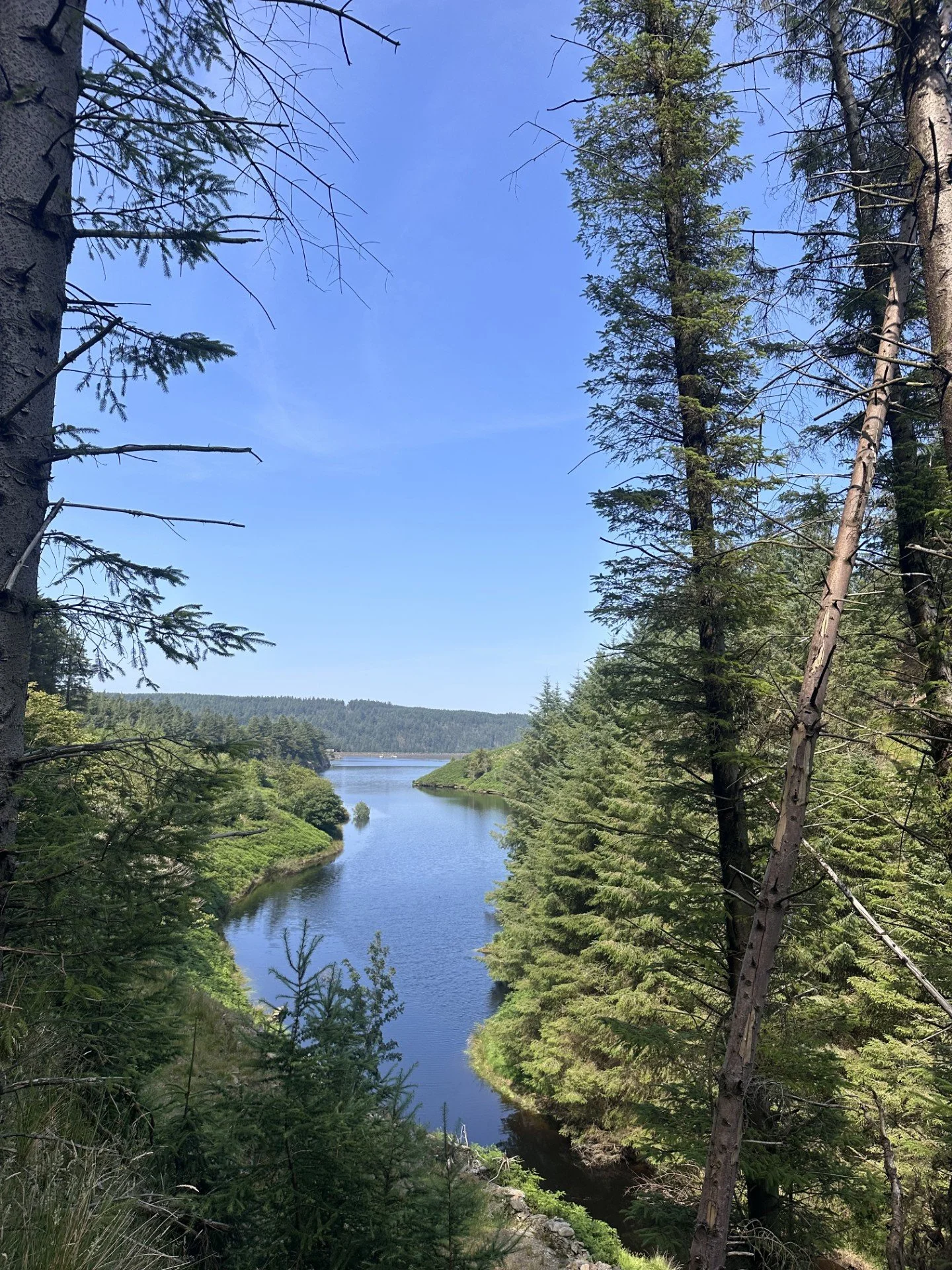
Regulating Services
Climate regulation – Upland peatlands store significant amounts of carbon, helping to regulate greenhouse gases (mitigate climate change) and other climatic processes such as precipitation, air temperature etc., whilst supporting ecosystem resilience.
Water regulation – Peatlands act as natural sponges, storing water, controlling groundwater recharge and discharge, and regulating flows to reduce flood risk and maintain water supplies.
Water purification & treatment – Healthy peatlands help filter water, improving water quality by trapping sediments and reducing nutrient and pollutant runoff into reservoirs.
Erosion protection – Intact peat vegetation and peat soils help stabilise upland landscapes, reducing erosion to underlying soils and protecting valuable soil carbon stores.
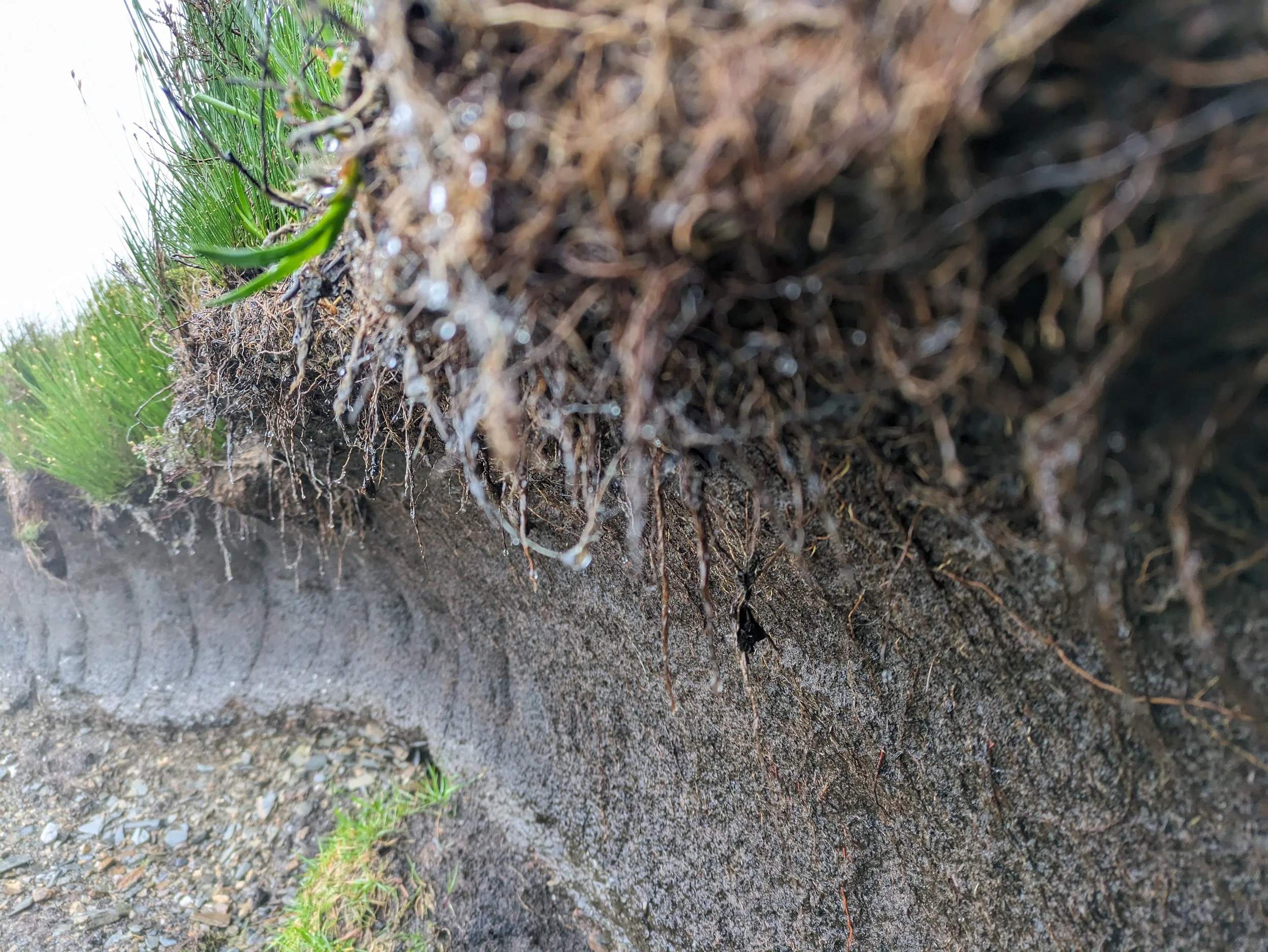
Provisioning Services
Fibre and fuel (peat, plant) – The Island’s peatlands are currently used for agriculture. The Isle of Man does not permit the harvesting of peat as raw material for the horticultural industry or domestic heating and energy generation.
Food – Upland habitats provide grazing for sheep and cattle, supporting local food production and security.
Fresh water – Public drinking water supply is obtained from upland peatlands. They help store, filter and regulate water flowing into the Island’s reservoirs.
Peat substrate – A landscape that supports agriculture, water catchments, and forestry industries.
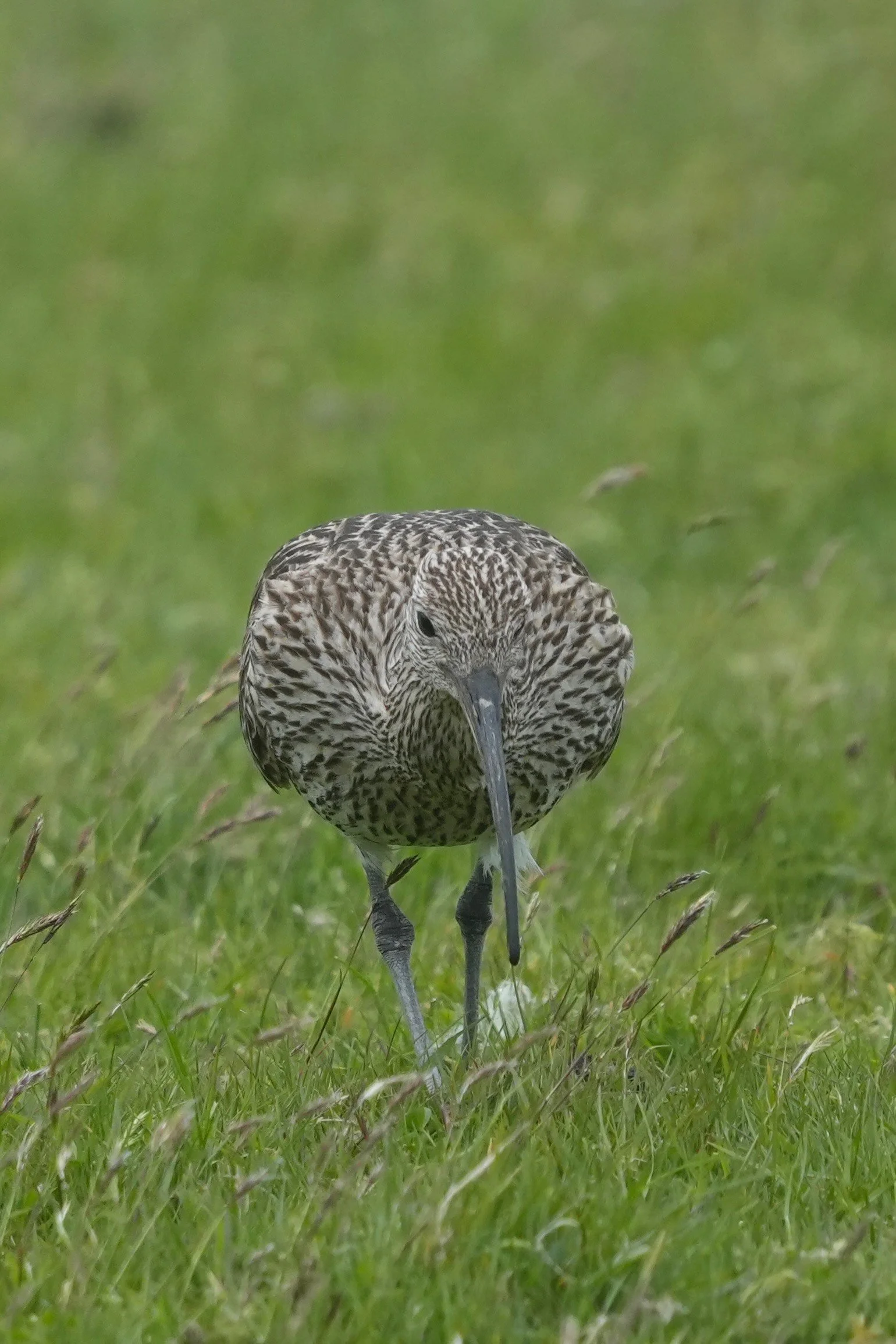
Supporting Services
Biodiversity – unique habitats for unique species. Upland peatlands provide internationally important habitats for a wide range of plants, invertebrates, birds and other wildlife. These habitats support species adapted to wet, nutrient-poor conditions and contribute to the Island's overall ecological network and nature recovery objectives.
Soil formation – accumulation of organic matter. Peat soils develop through the slow accumulation of partially decomposed plant material over thousands of years. This process creates unique upland habitats and forms one of the Isle of Man's largest terrestrial carbon stores.
Nutrient cycling – Peatlands store, process and recycle nutrients within upland ecosystems, supporting plant growth and ecological functioning. Healthy peatlands help maintain nutrient balances, regulate soil chemistry and support the long-term health of surrounding habitats and water catchments.
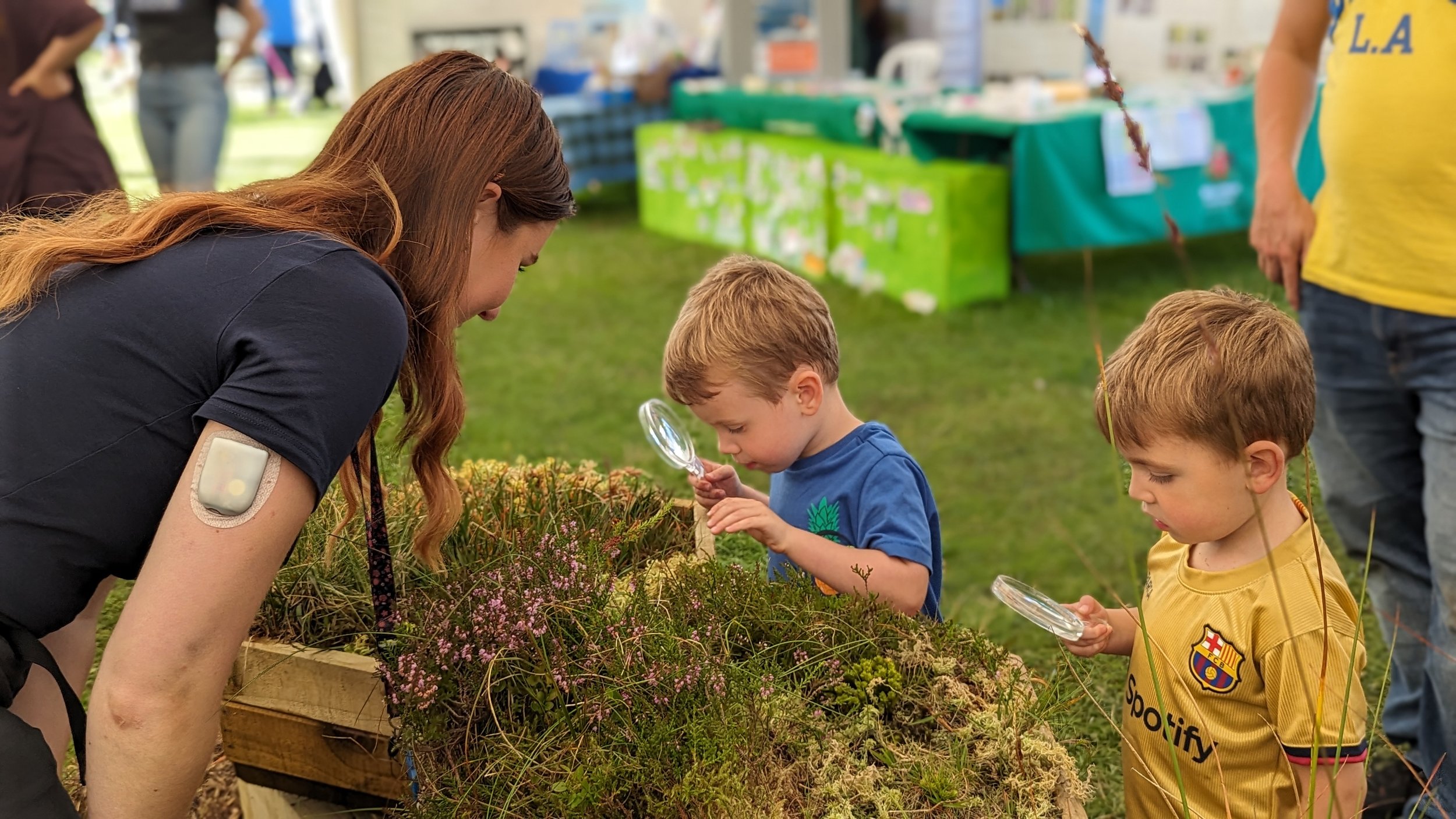
Cultural Services
Recreational and aesthetic – A space for recreation and tourism, where people can appreciate wildlife and open green spaces. Much of this landscape features open ramblage, with many public rights of way and recreational opportunities for a range of user groups.
Cultural and Spiritual – Upland peatlands preserve archaeological features, some with religious significance and reflect the Island's historic land use. Peatland landscapes are an important space for peoples physical and mental well-being.
Educational – Provision of opportunities for education, training, research and monitoring.
Landscape and sense of place – The uplands contribute to the distinctive character and natural beauty of the Isle of Man. Manx tartan features five colours representing the Island: blue for the sea, gold for gorse, green for the hills, purple for heather, and white for the cottages.