Beinn-y-Phott
Site Description
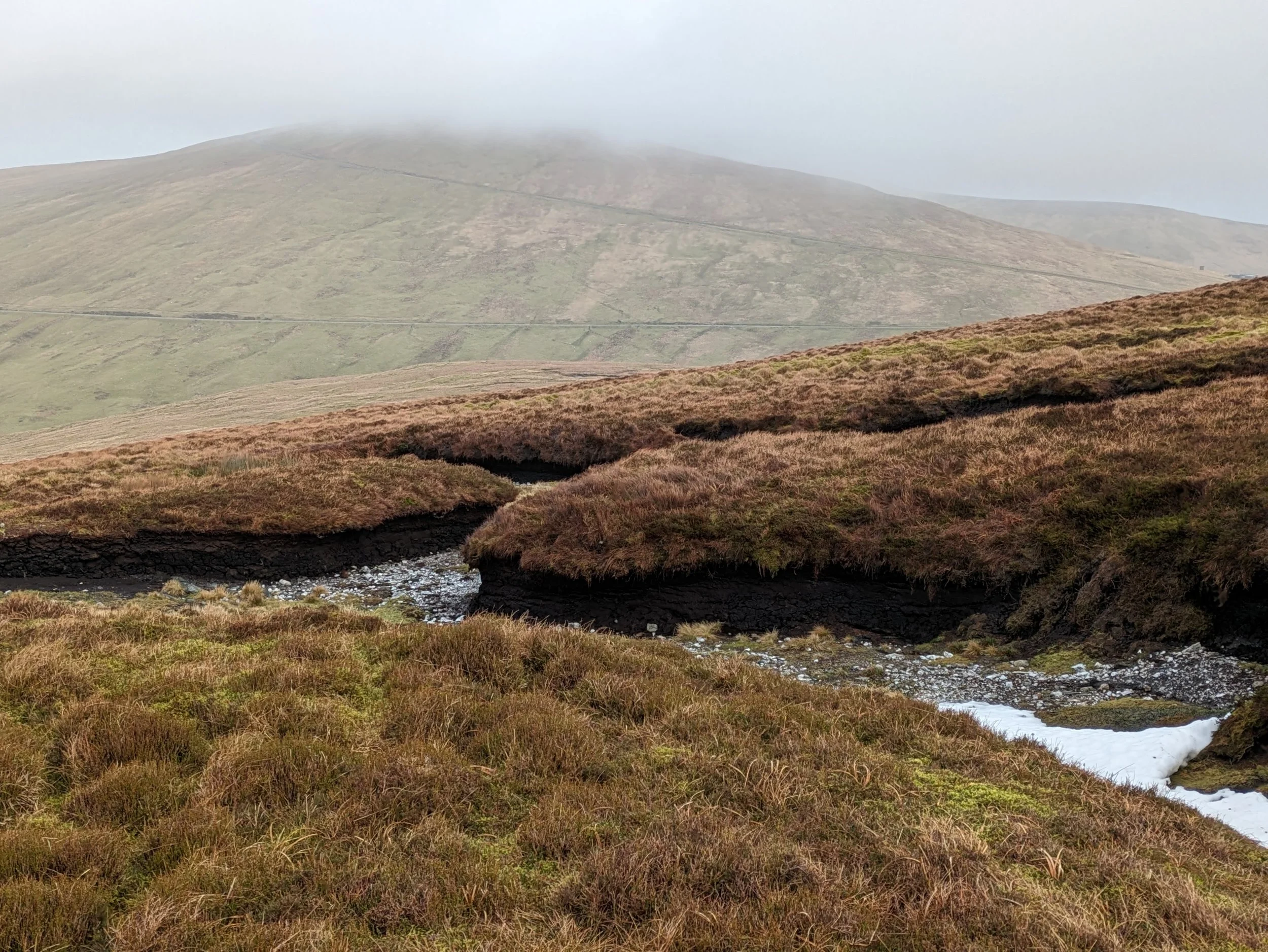
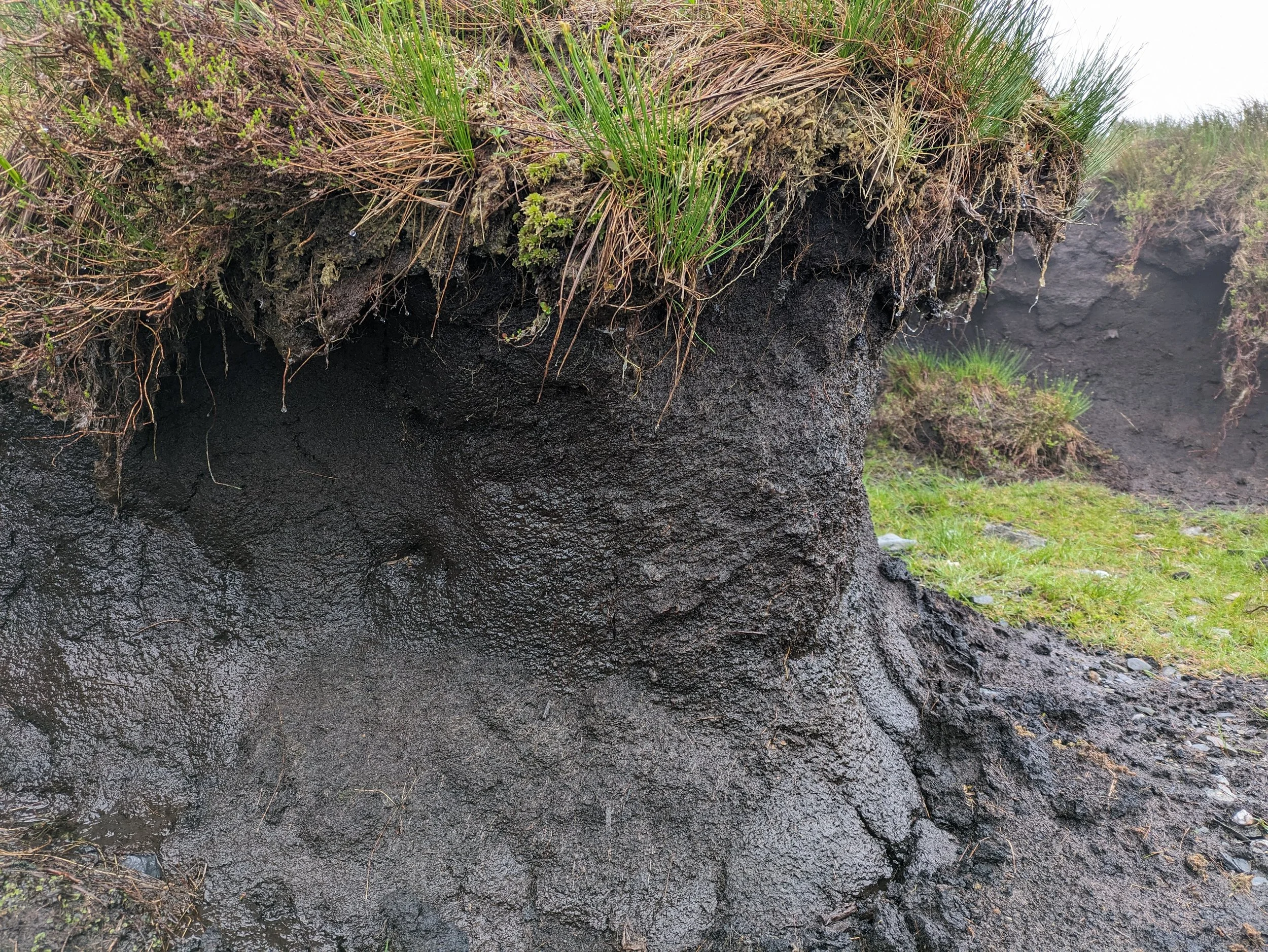
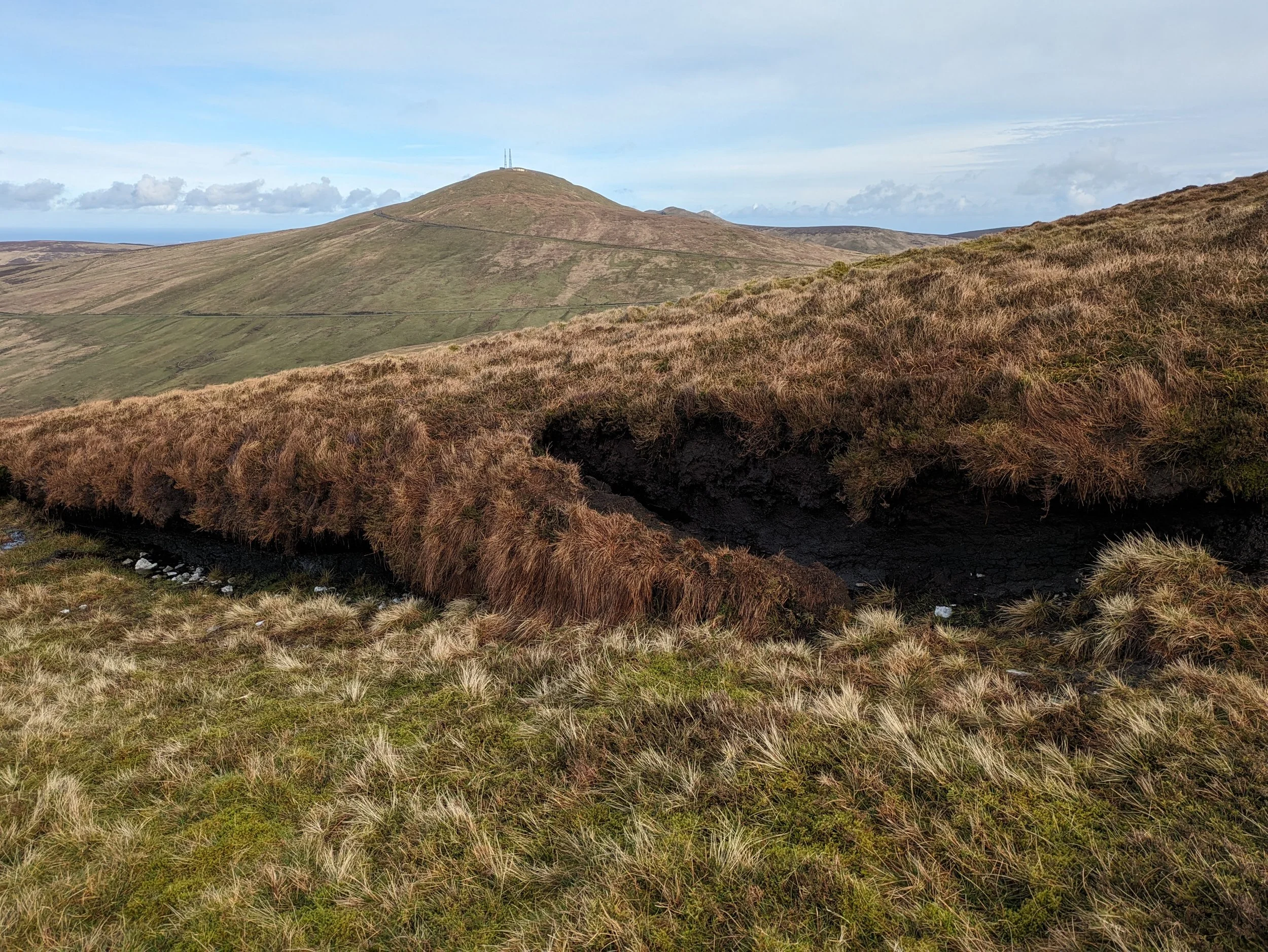
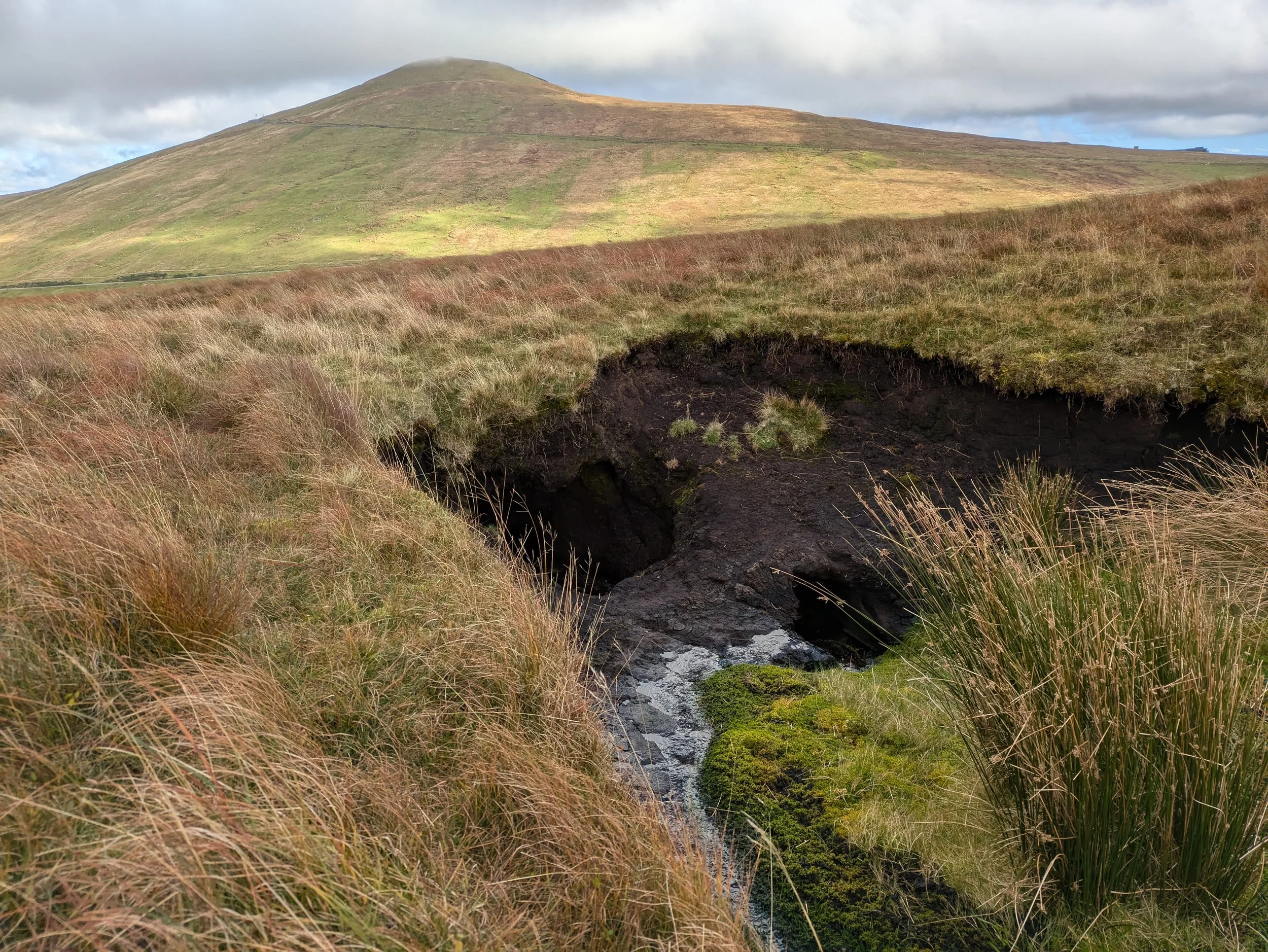
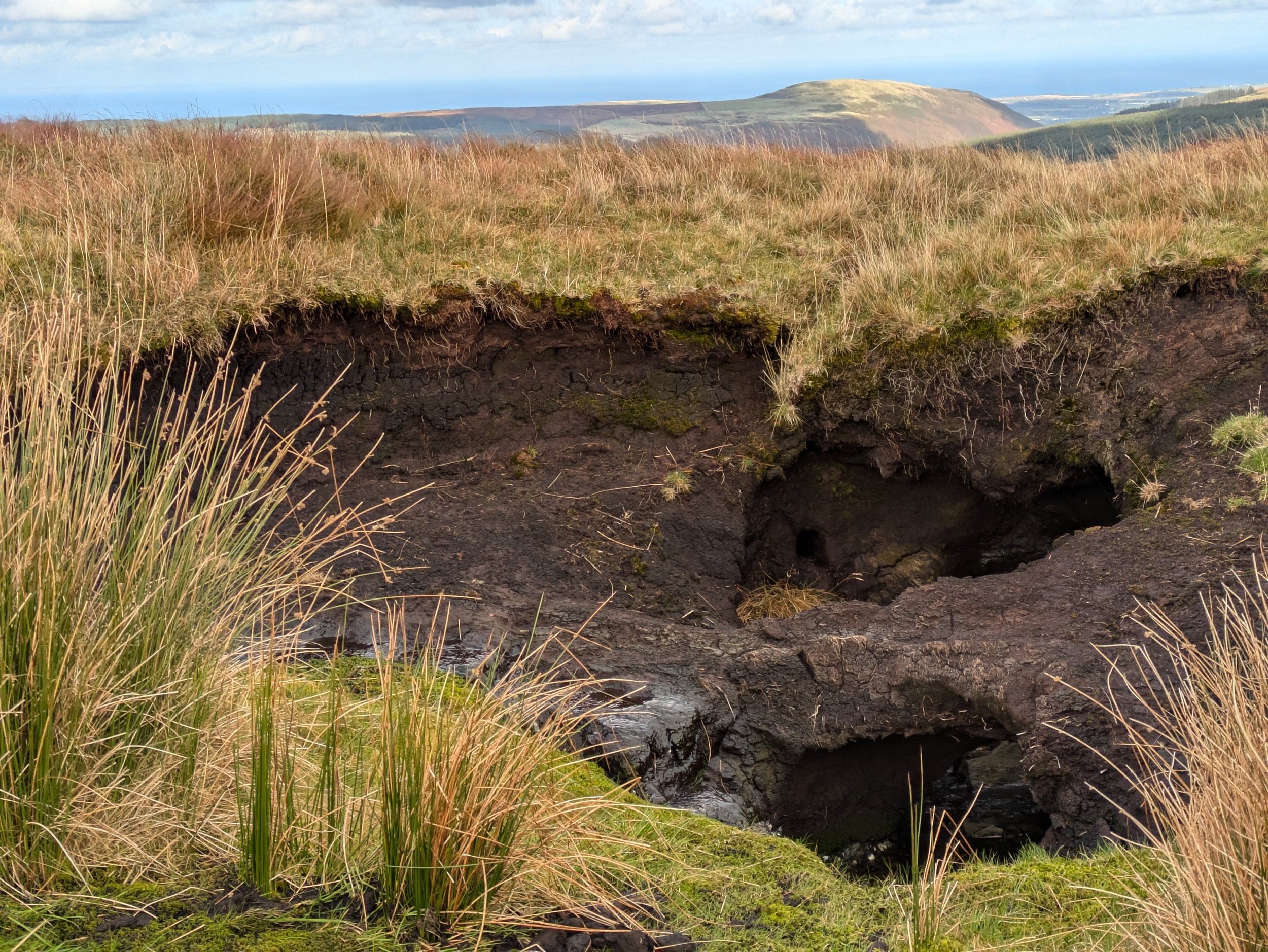
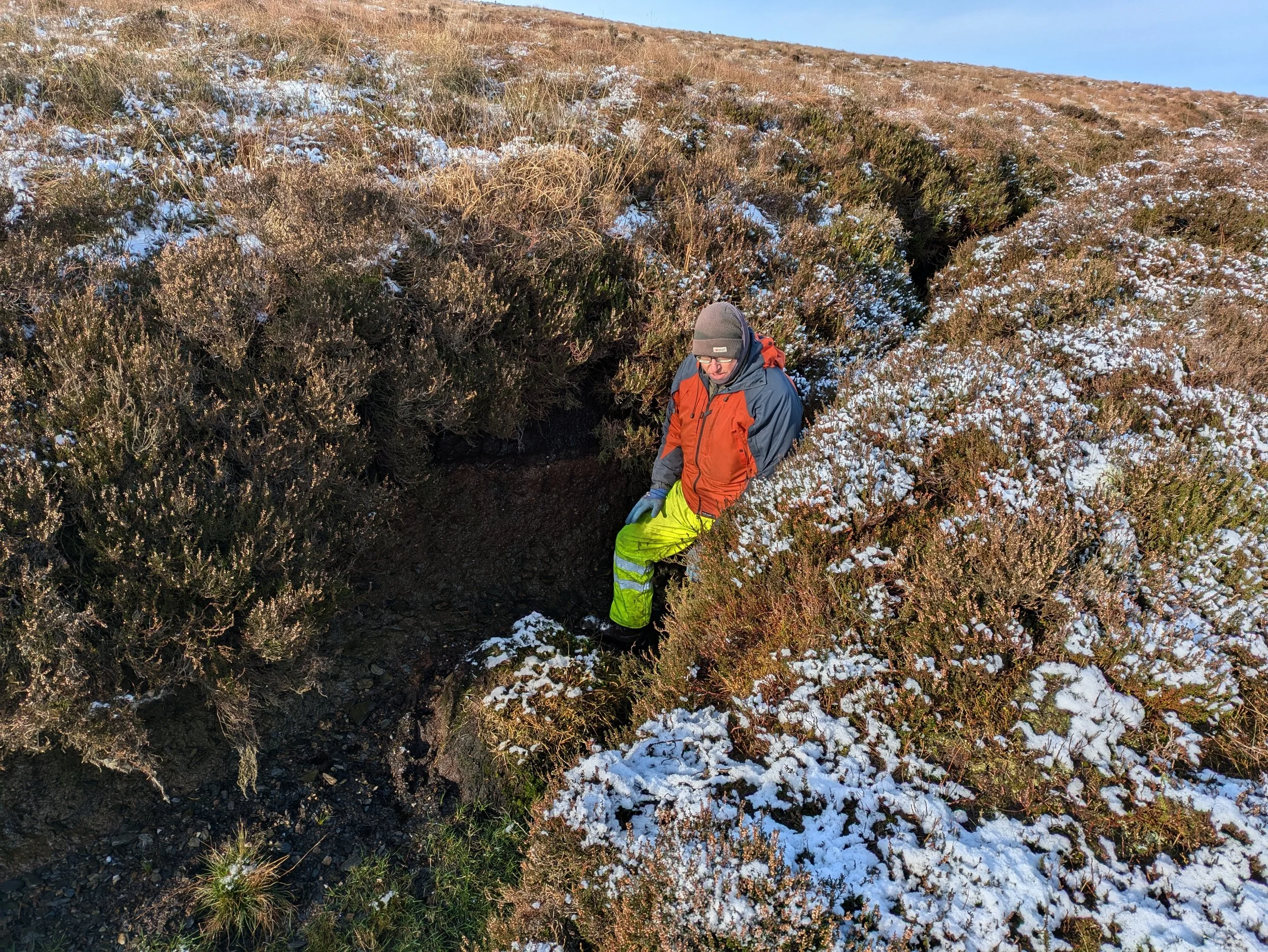
This site is approximately 300 hectares and includes the former public peat-cutting turbary. Peat cutting was extensive on this site, and although there is still up to 2m of peat in places, some areas have been cut down to the mineral layer.
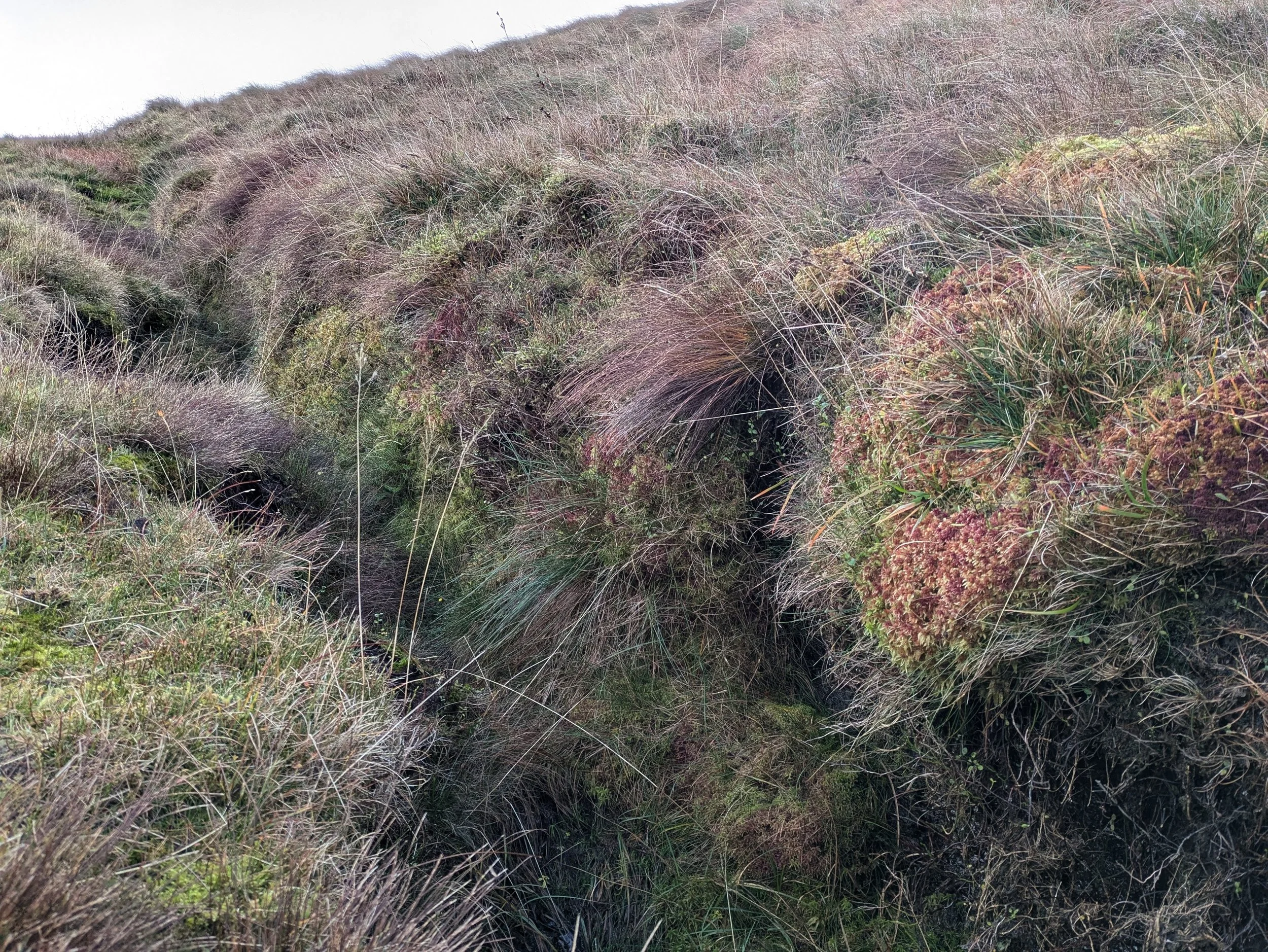
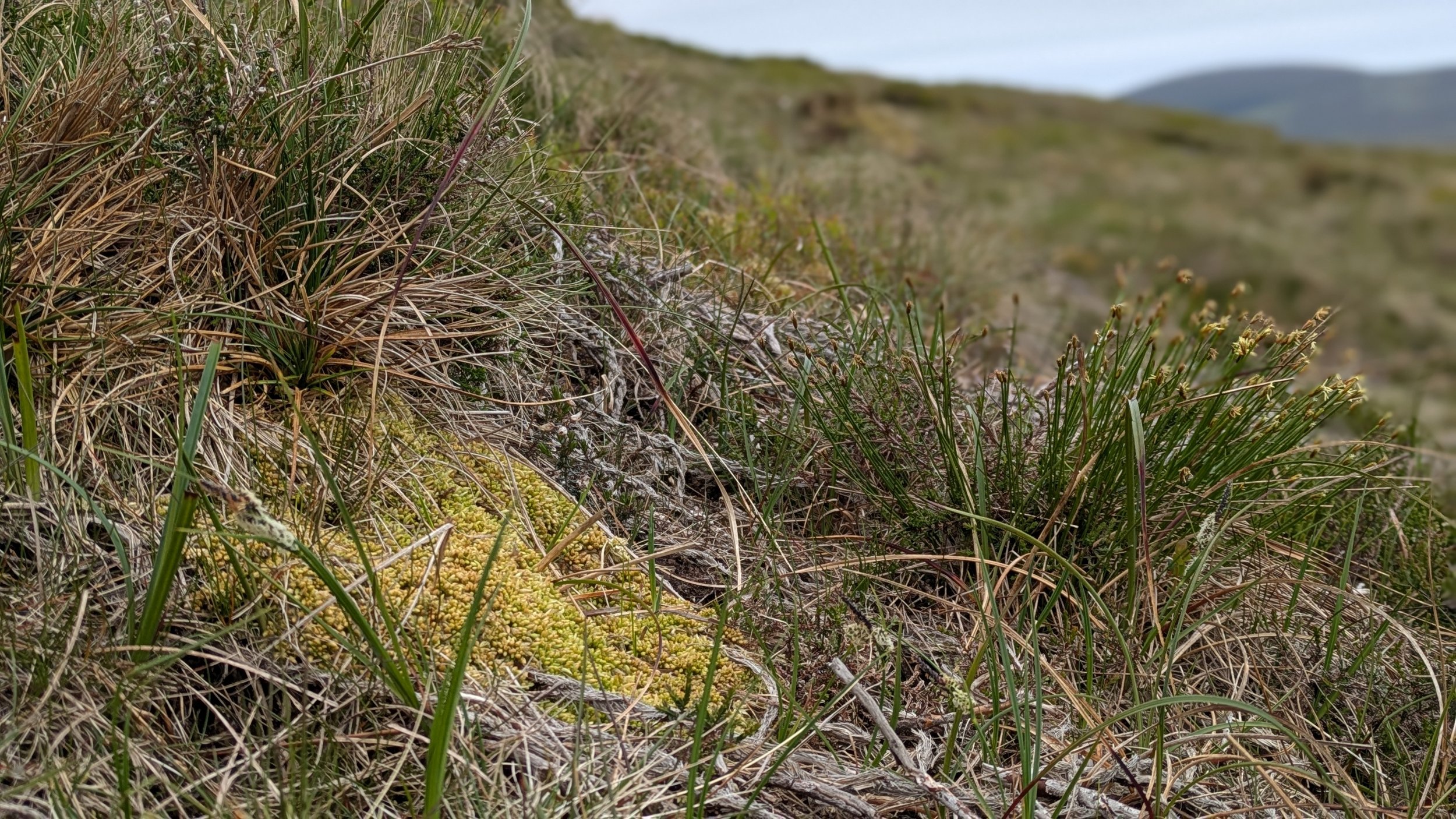
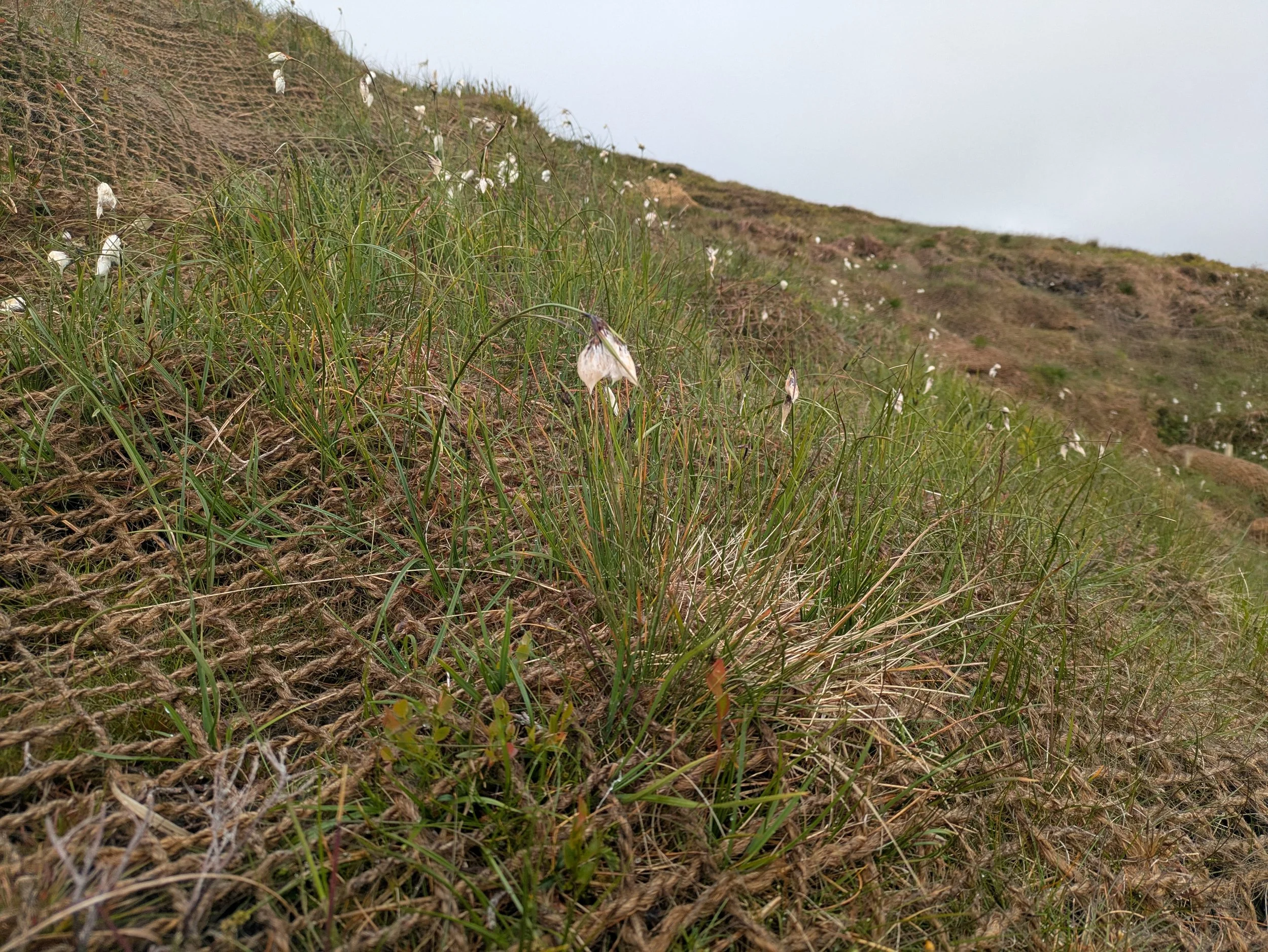
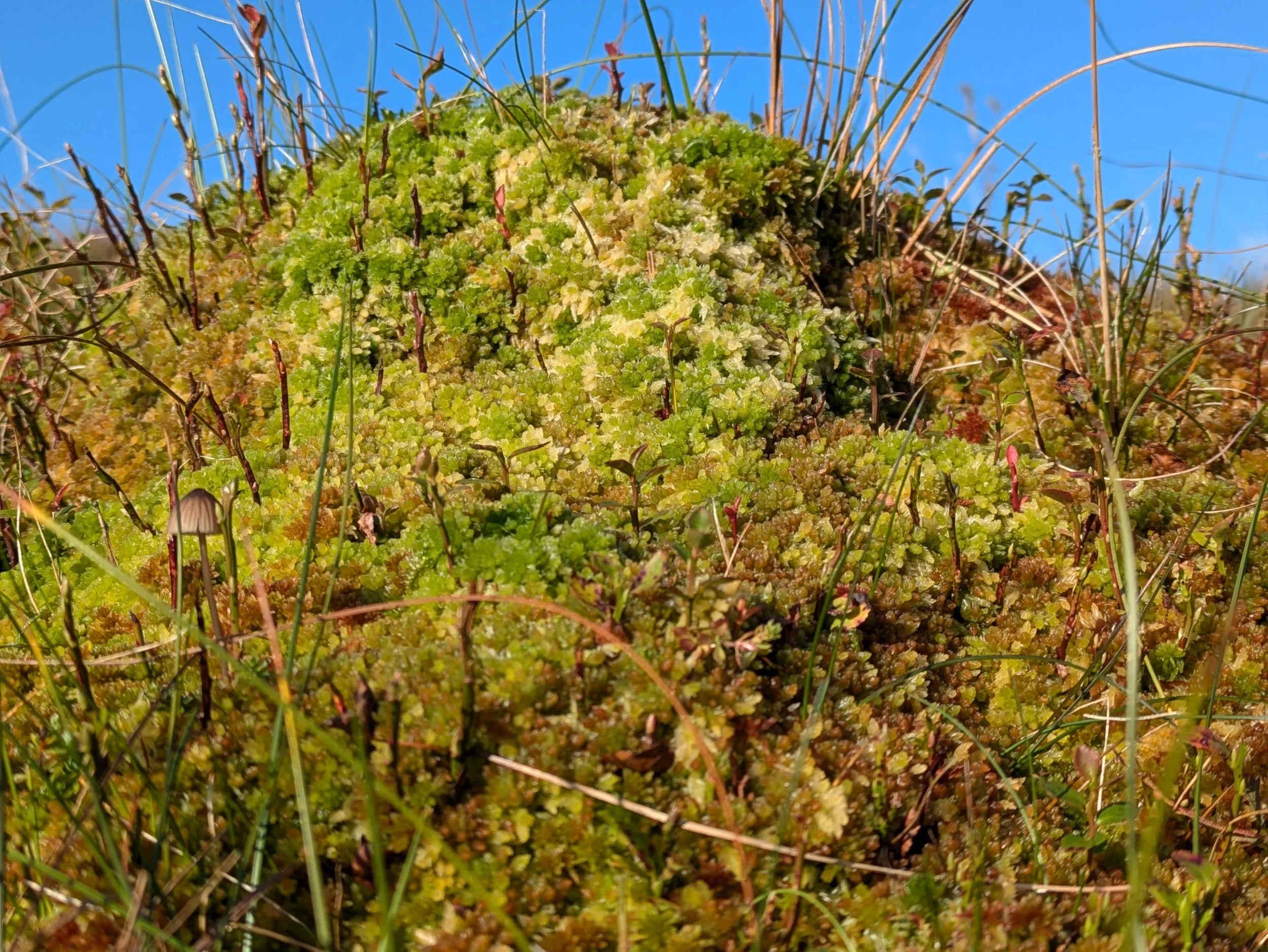
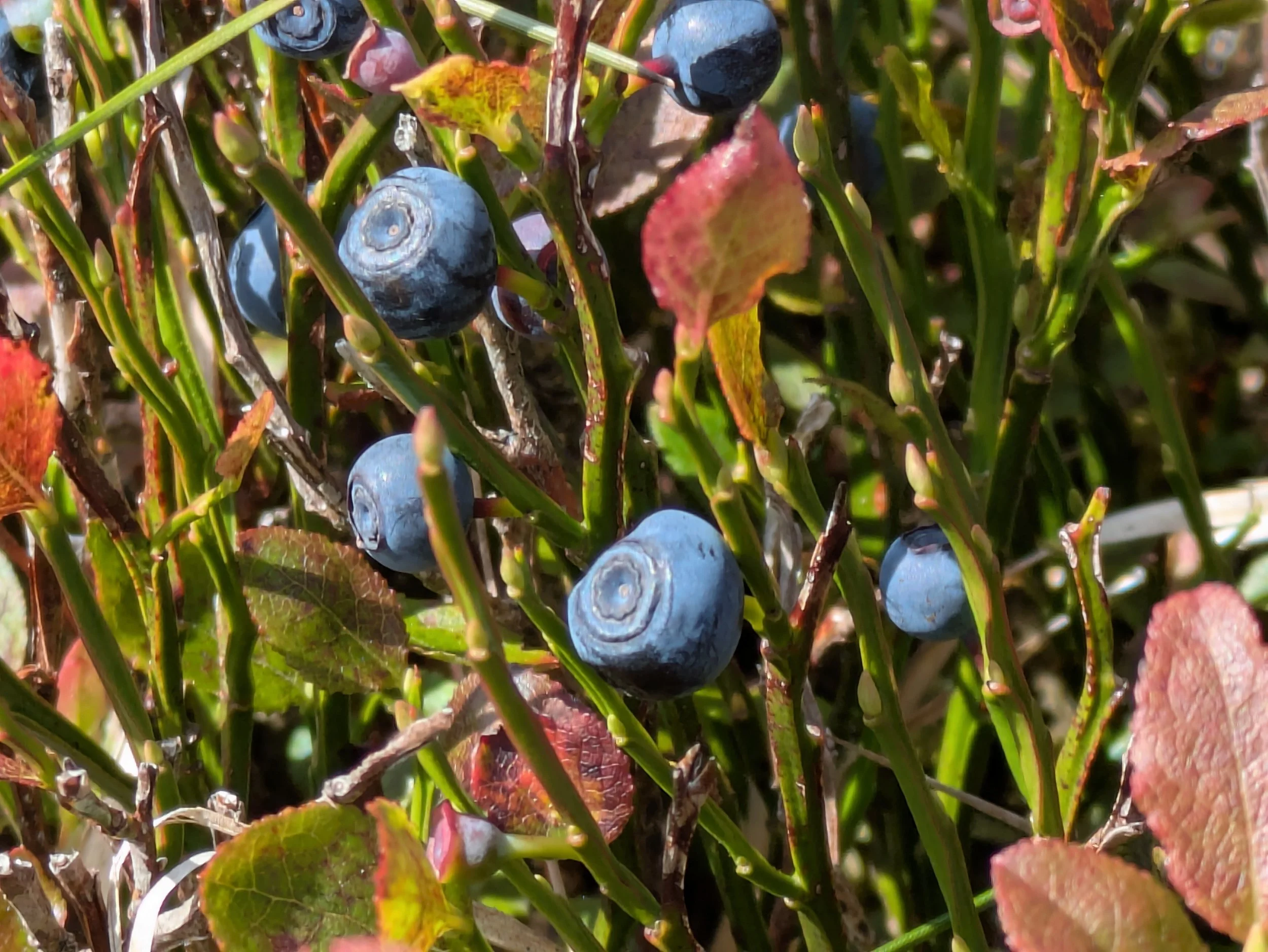
The habitat on deeper peat areas has been modified by the draining effects of peat cuttings, however blanket bog vegetation remains in many places. Sphagnum moss species are abundant over much of the site and the peat is generally fairly wet. Dwarf shrubs are predominantly heather and blaeberry, and cottongrasses are frequent.
The most degraded part of the site, the former turbary, has been fenced to exclude livestock. This is a temporary measure to allow vegetation to become established on extensive areas of bare ground.
Species known to breed in this area include mountain hare, skylark and meadow pipit.
Work Undertaken
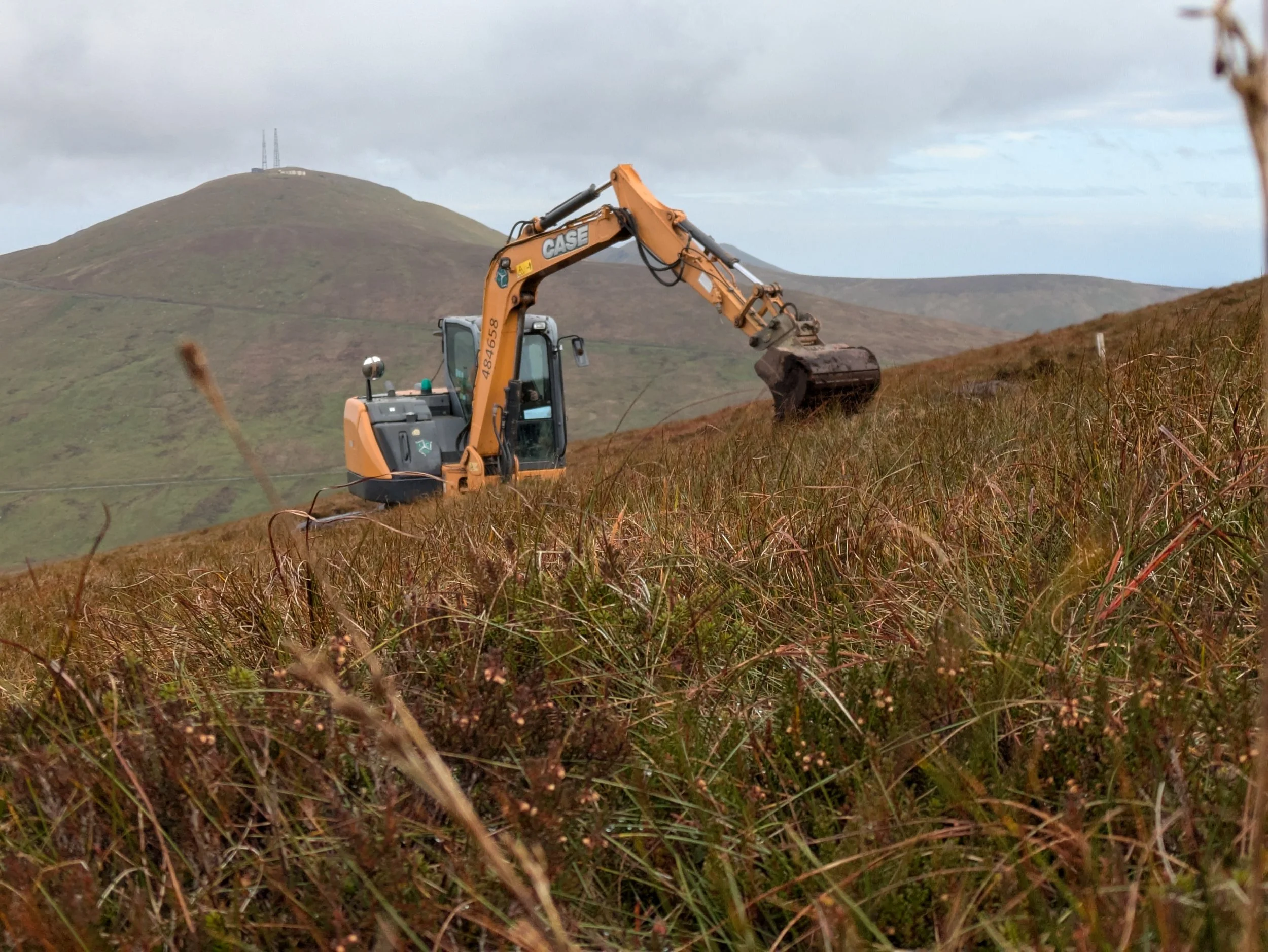
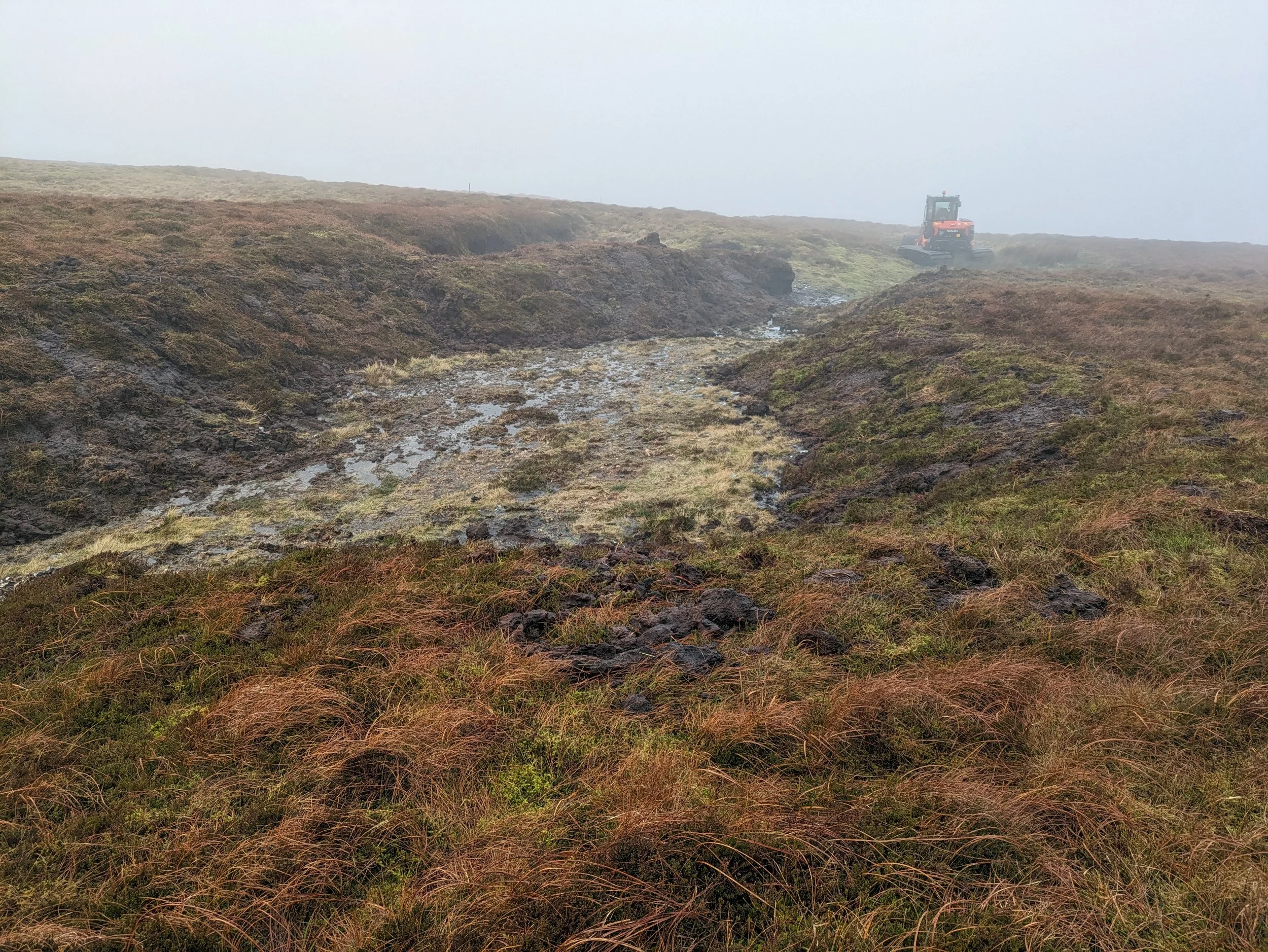
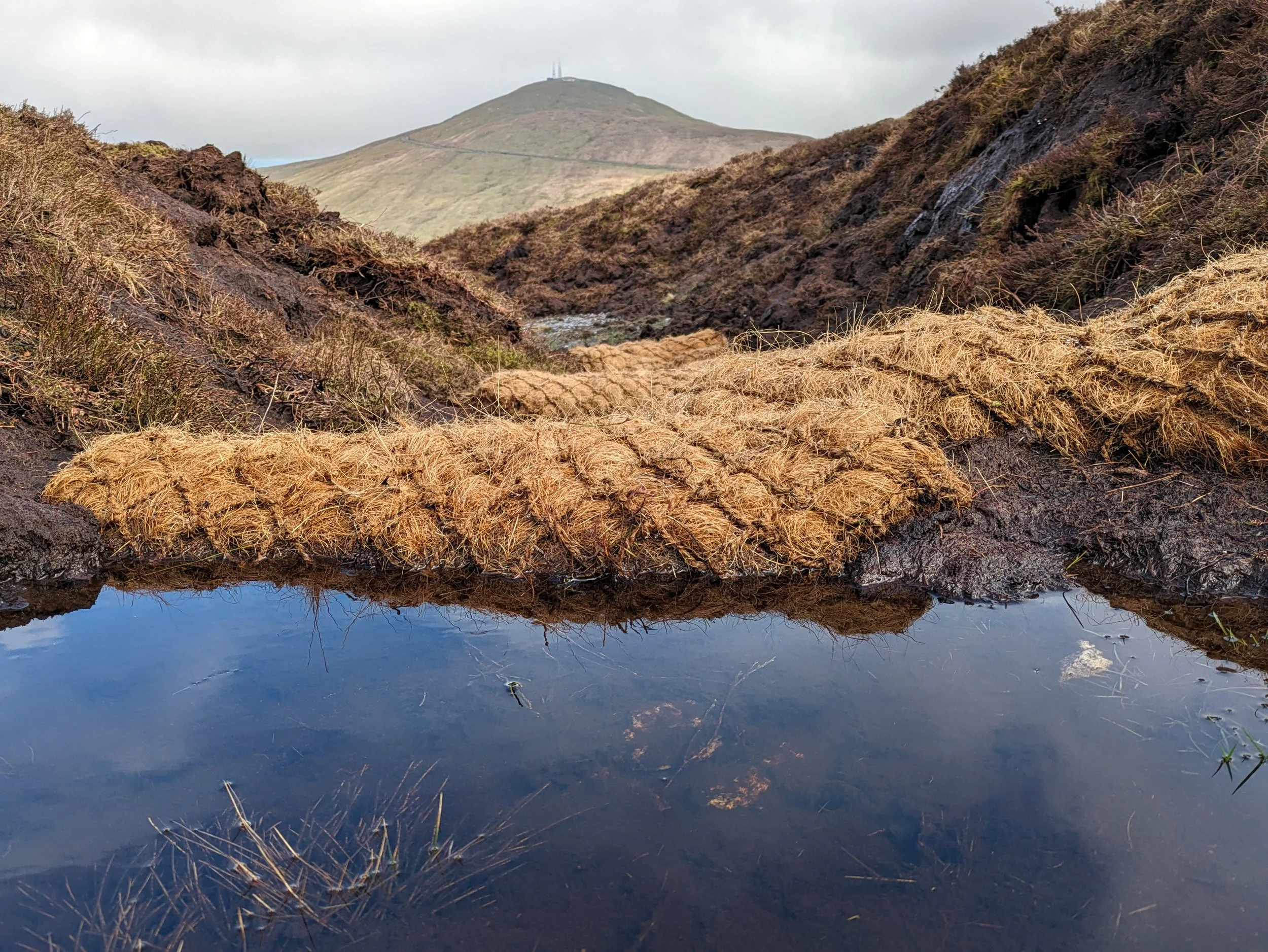
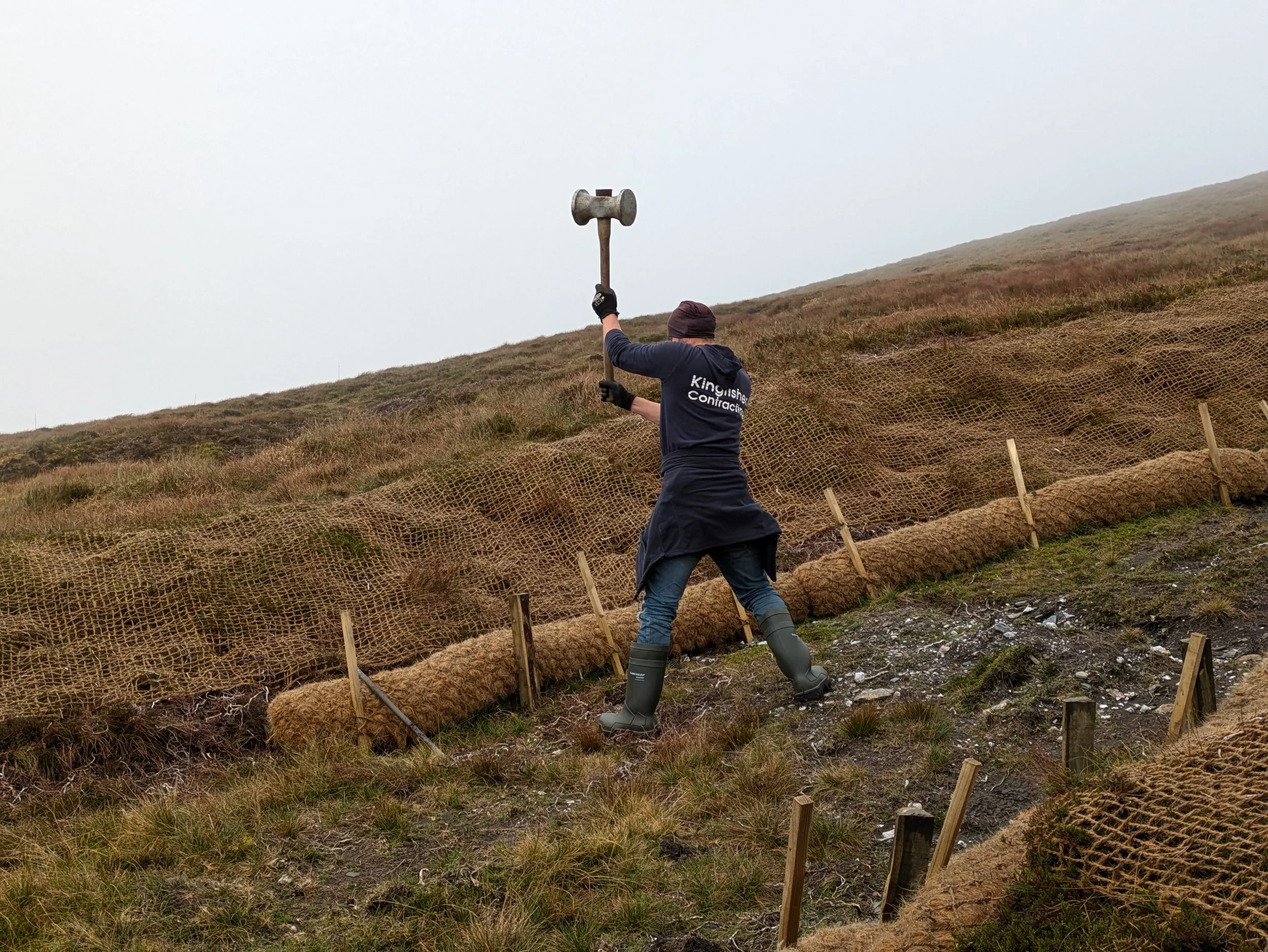
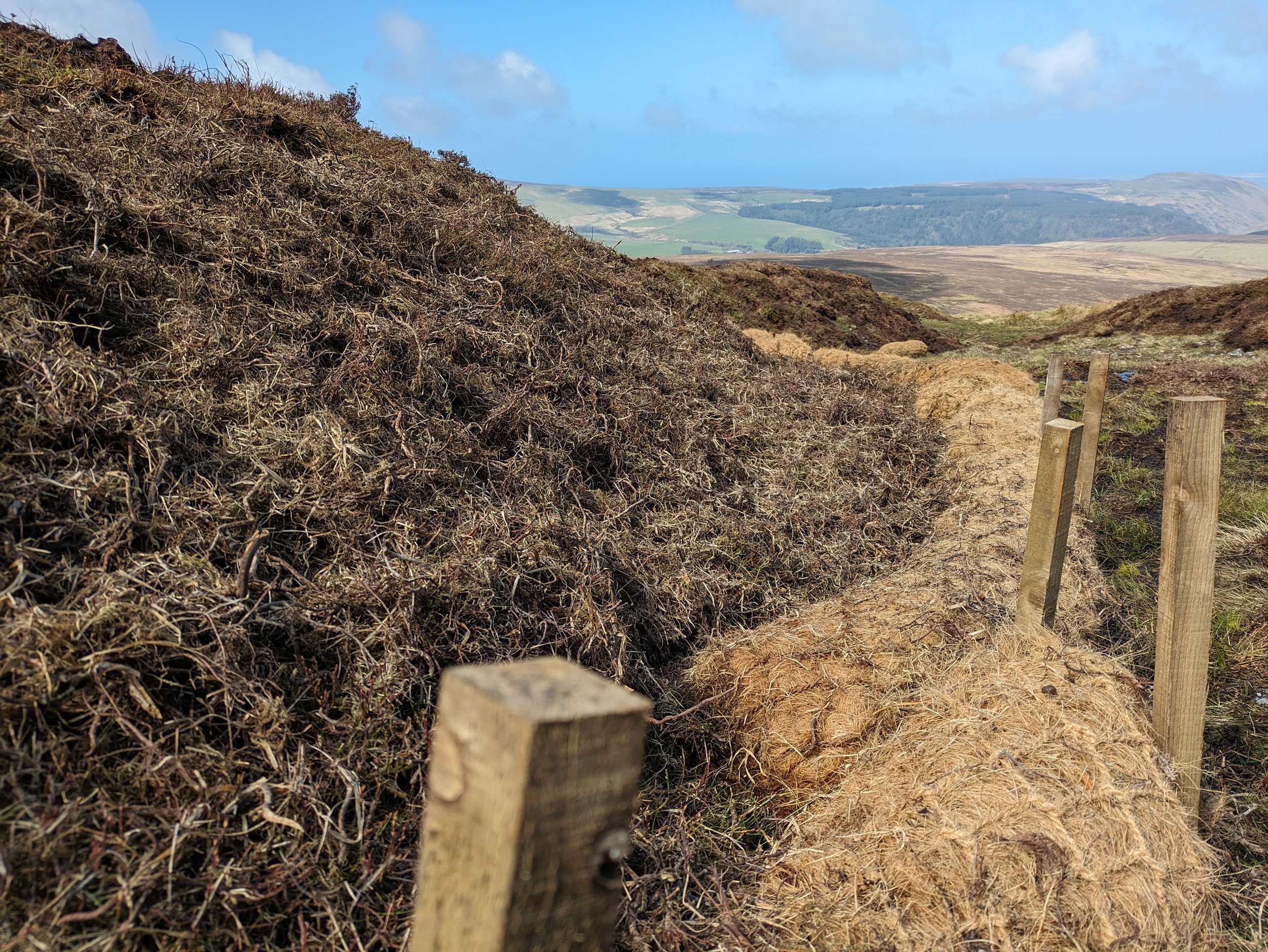
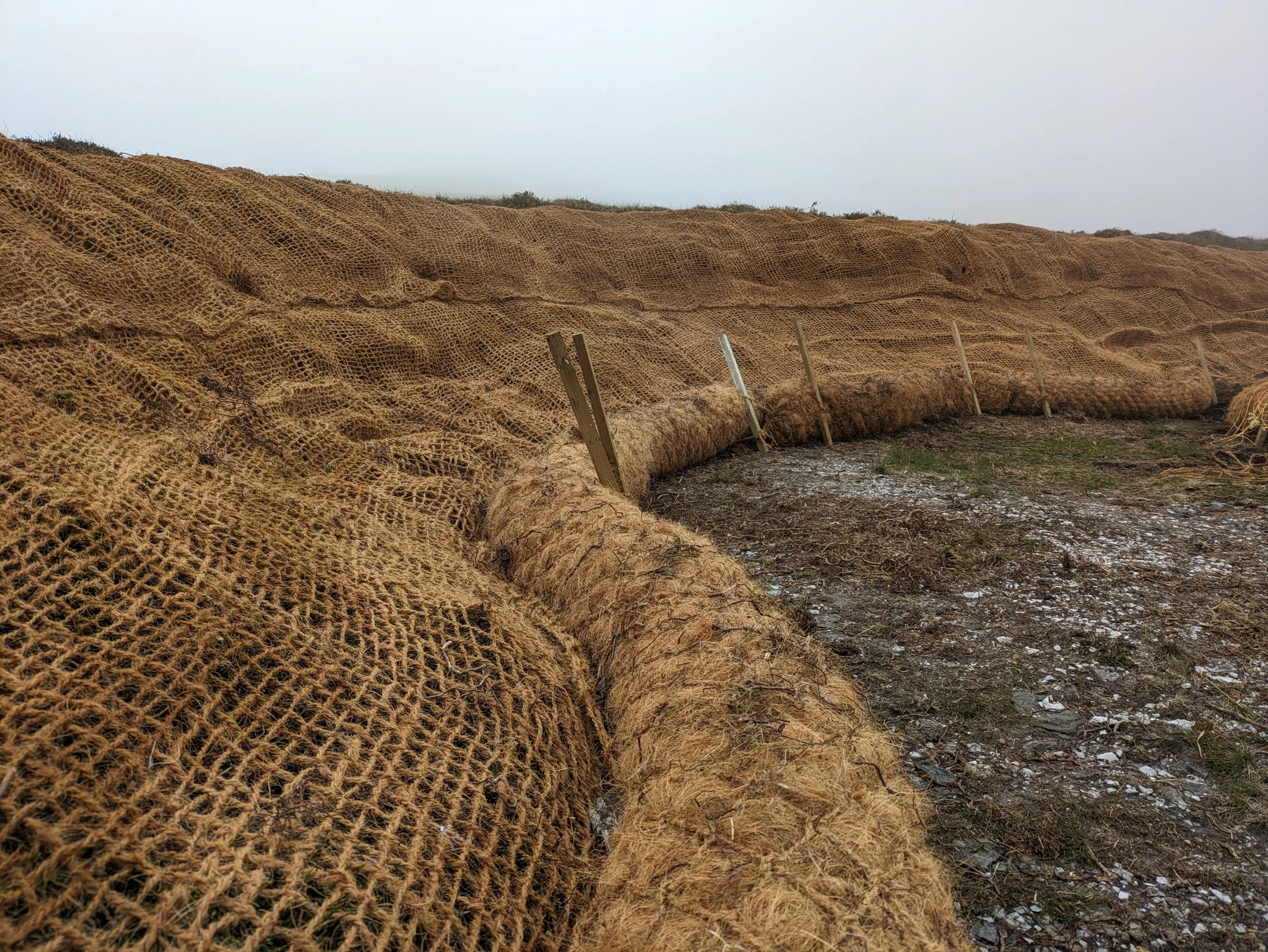
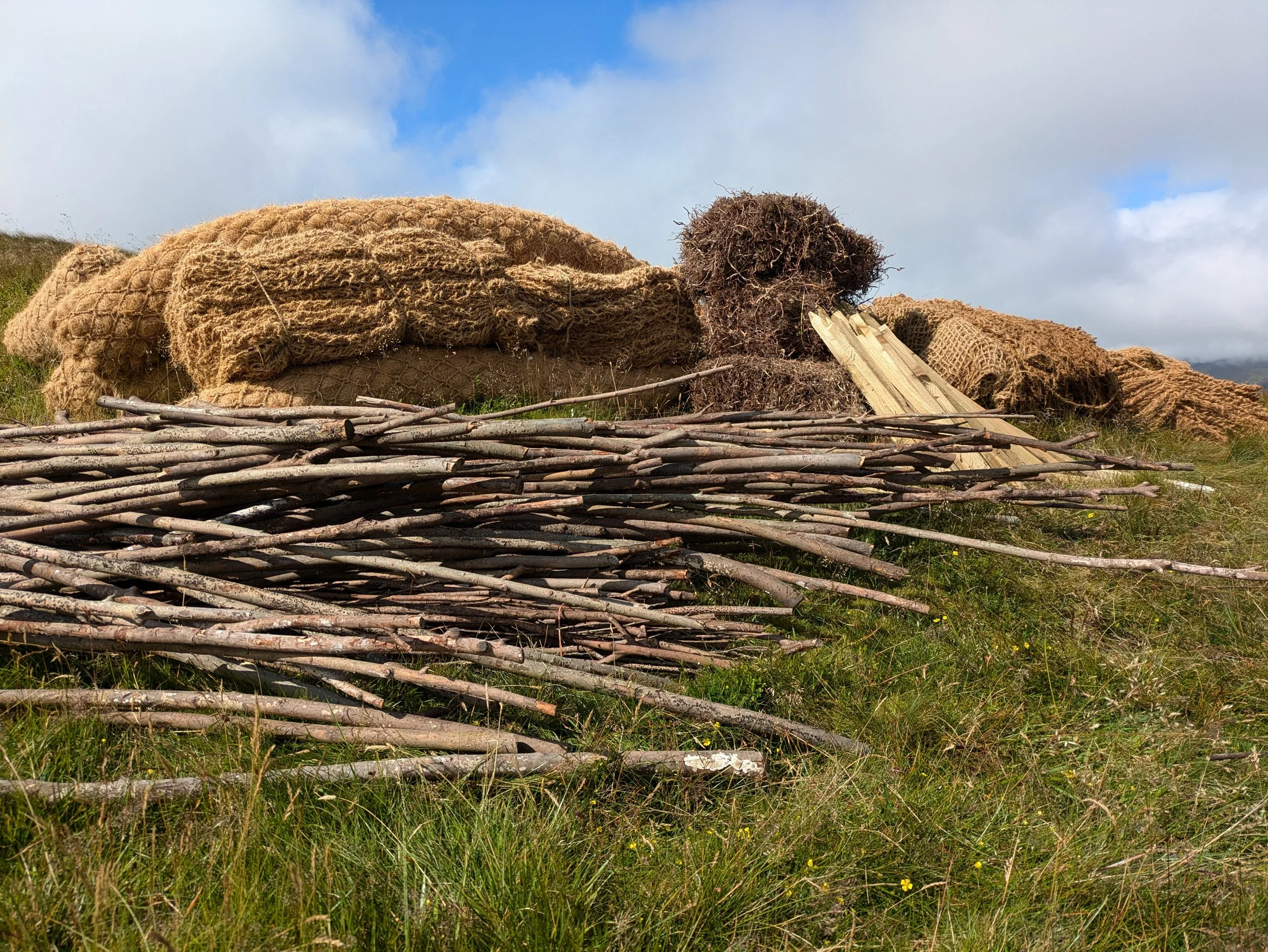
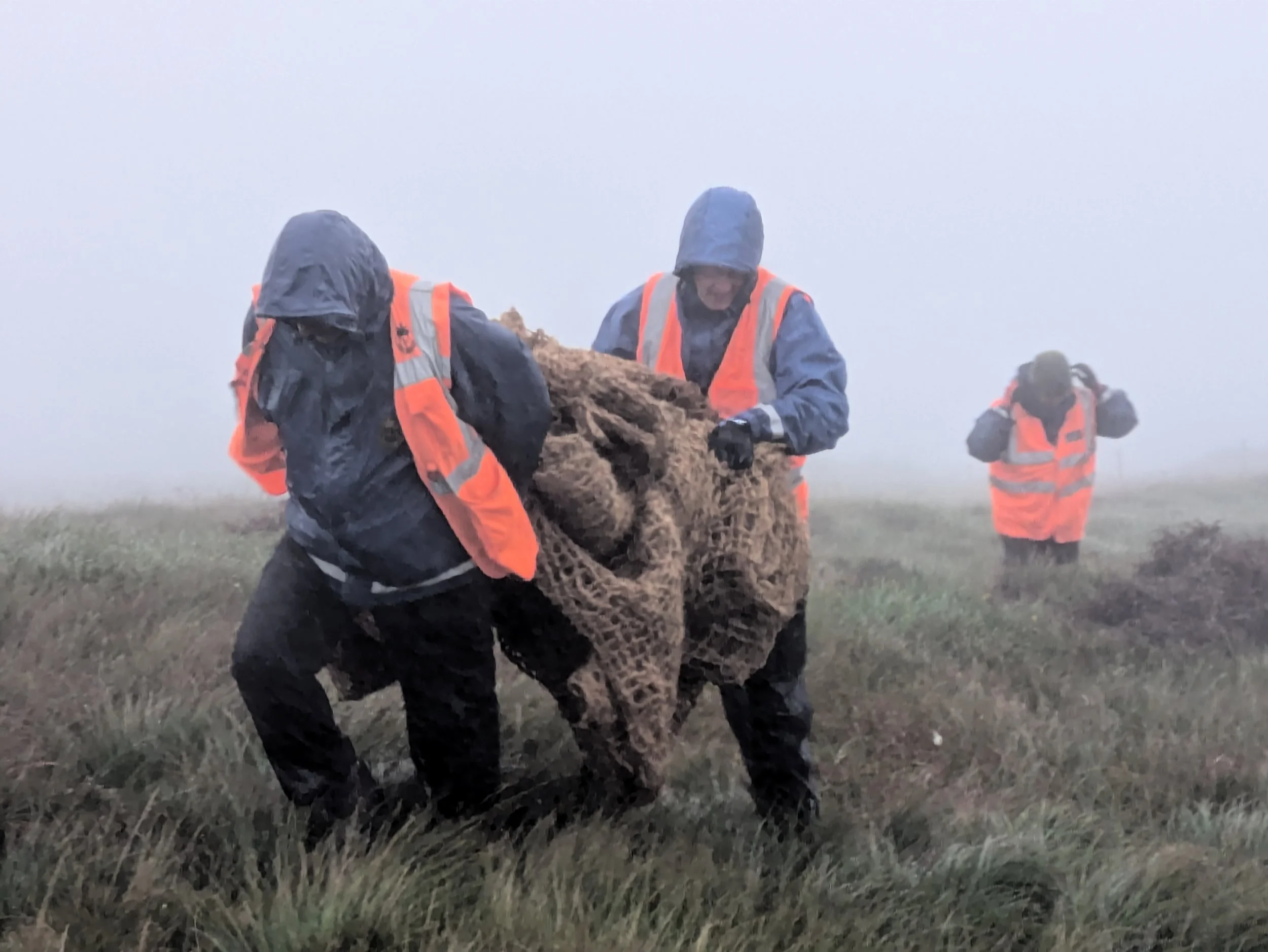
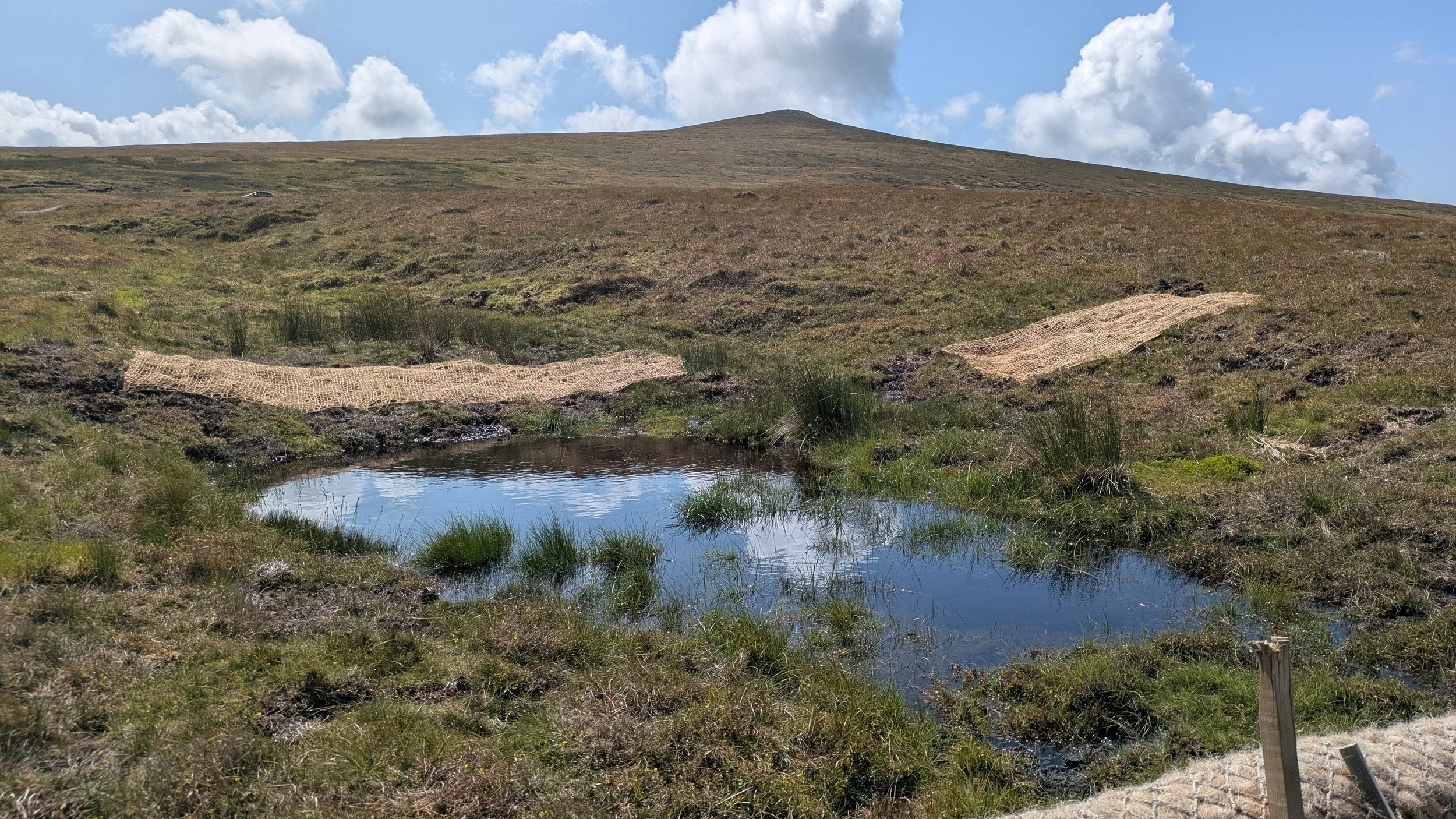
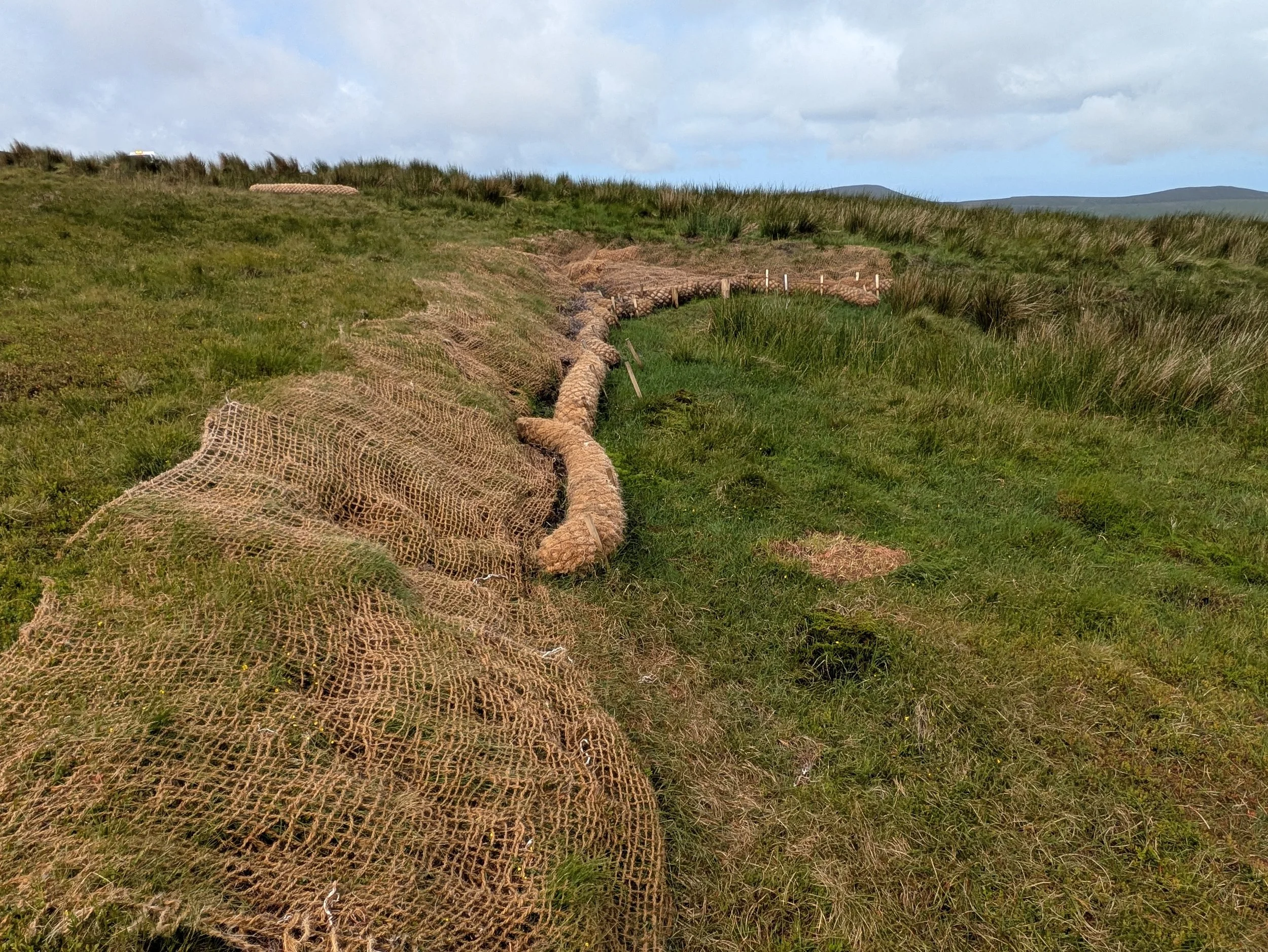
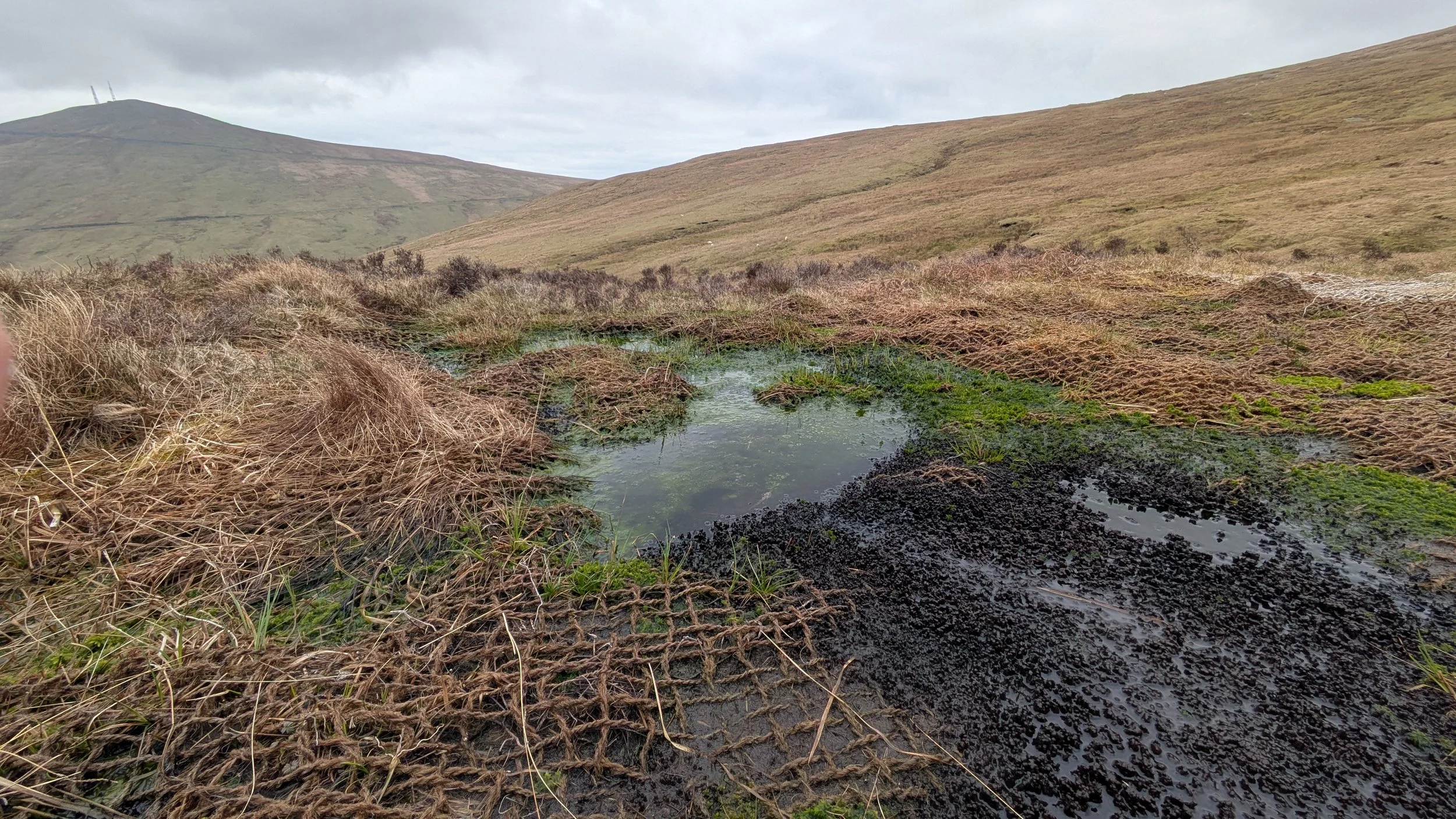
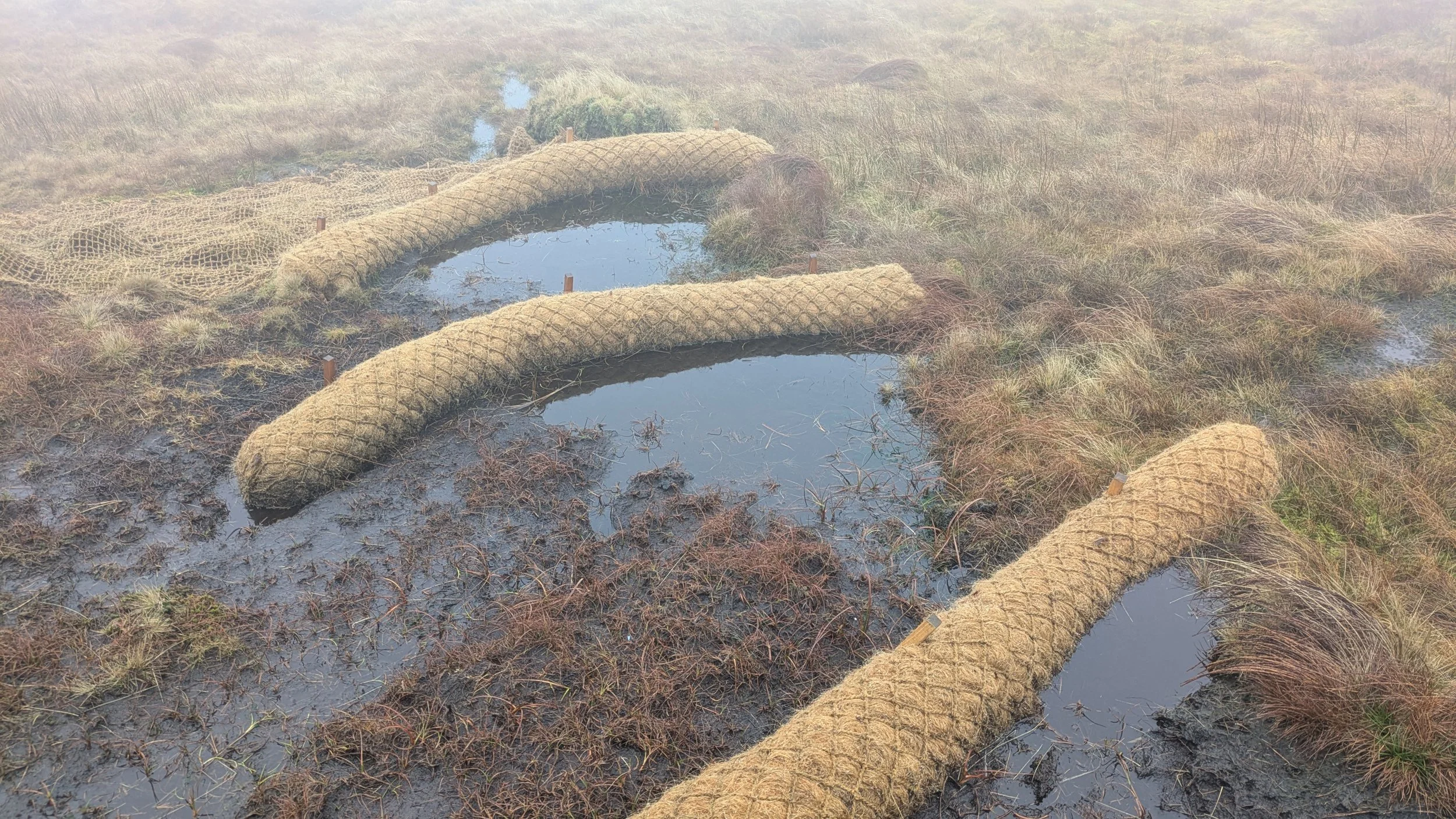
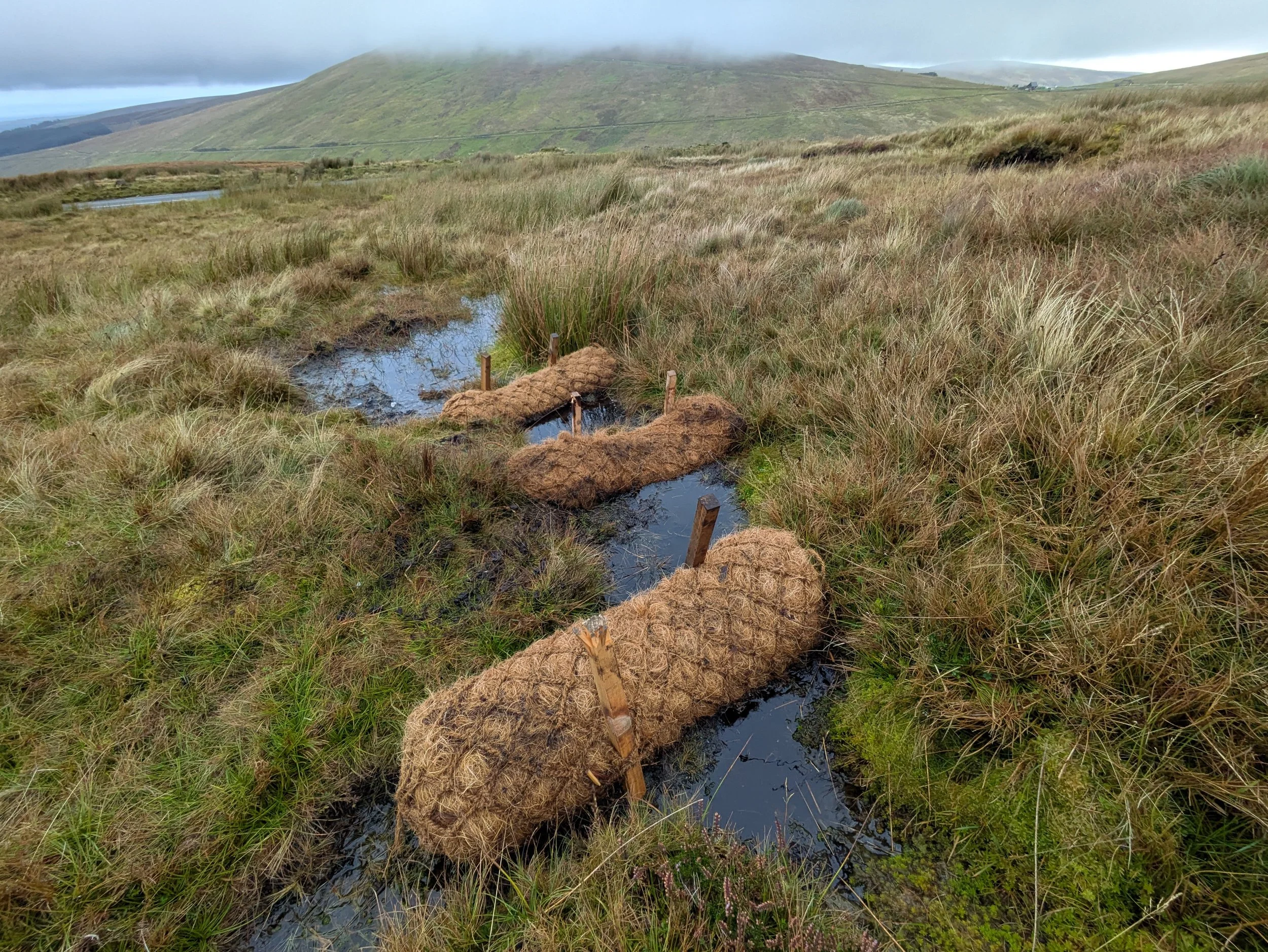
The majority of the work undertaken on this site has been the reprofiling of peat hags using diggers on low-ground-pressure tracks. This was largely done in March 2024 and October 2025, although a trial within the fenced area was done a could of years previously. The steep faces of peat were reprofiled to a shallower angle and the vegetation was stretched over the peat. Follow-up work was required to manage the flow of water in the cut areas. This was done using coir logs along flow paths to slow the flow of water and create temporary pools after heavy rain. The base of some hags was protected from erosion using coir logs. Areas of bare peat were covered with locally-sourced heather brash, held in place with coir netting.
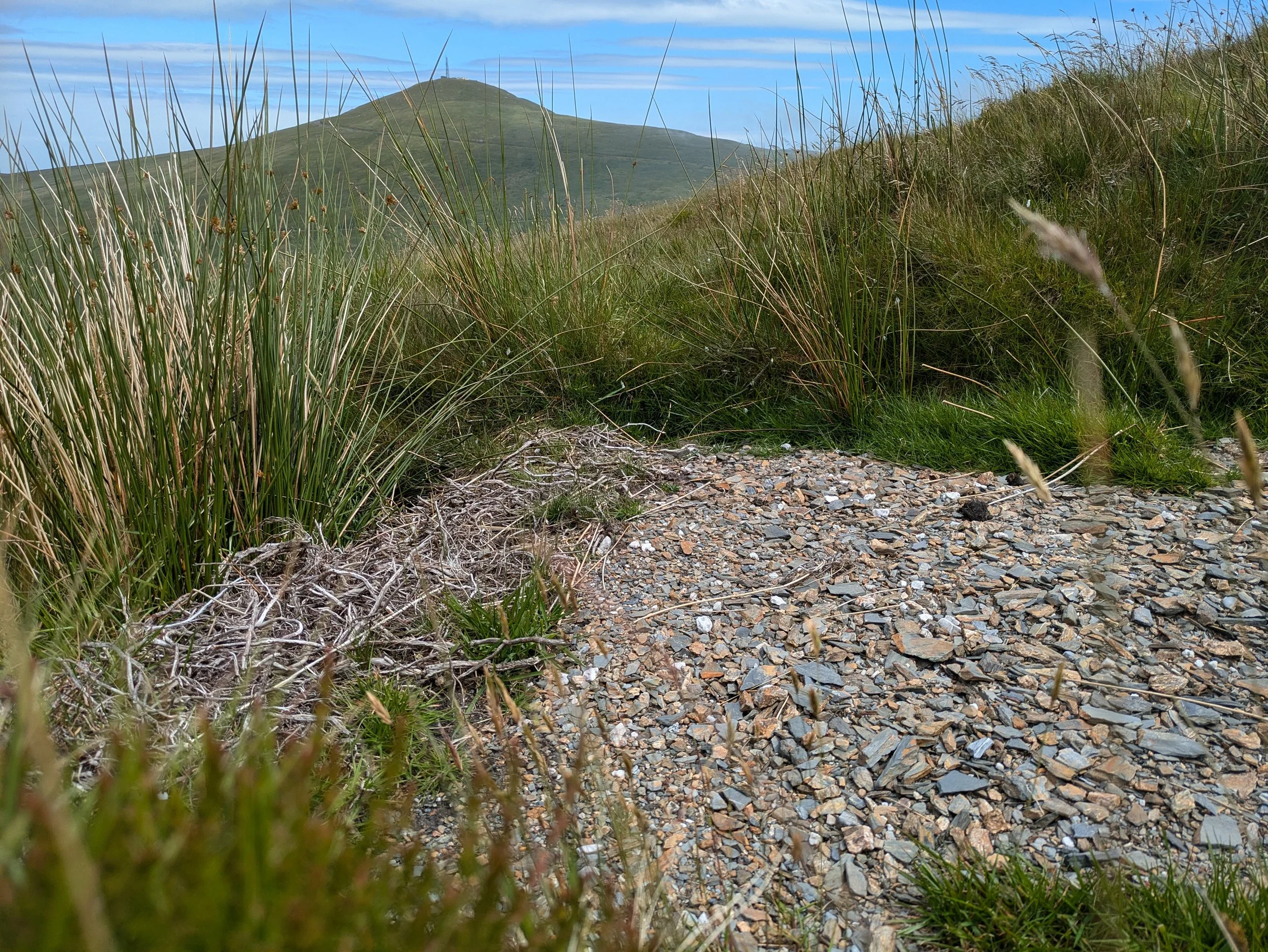
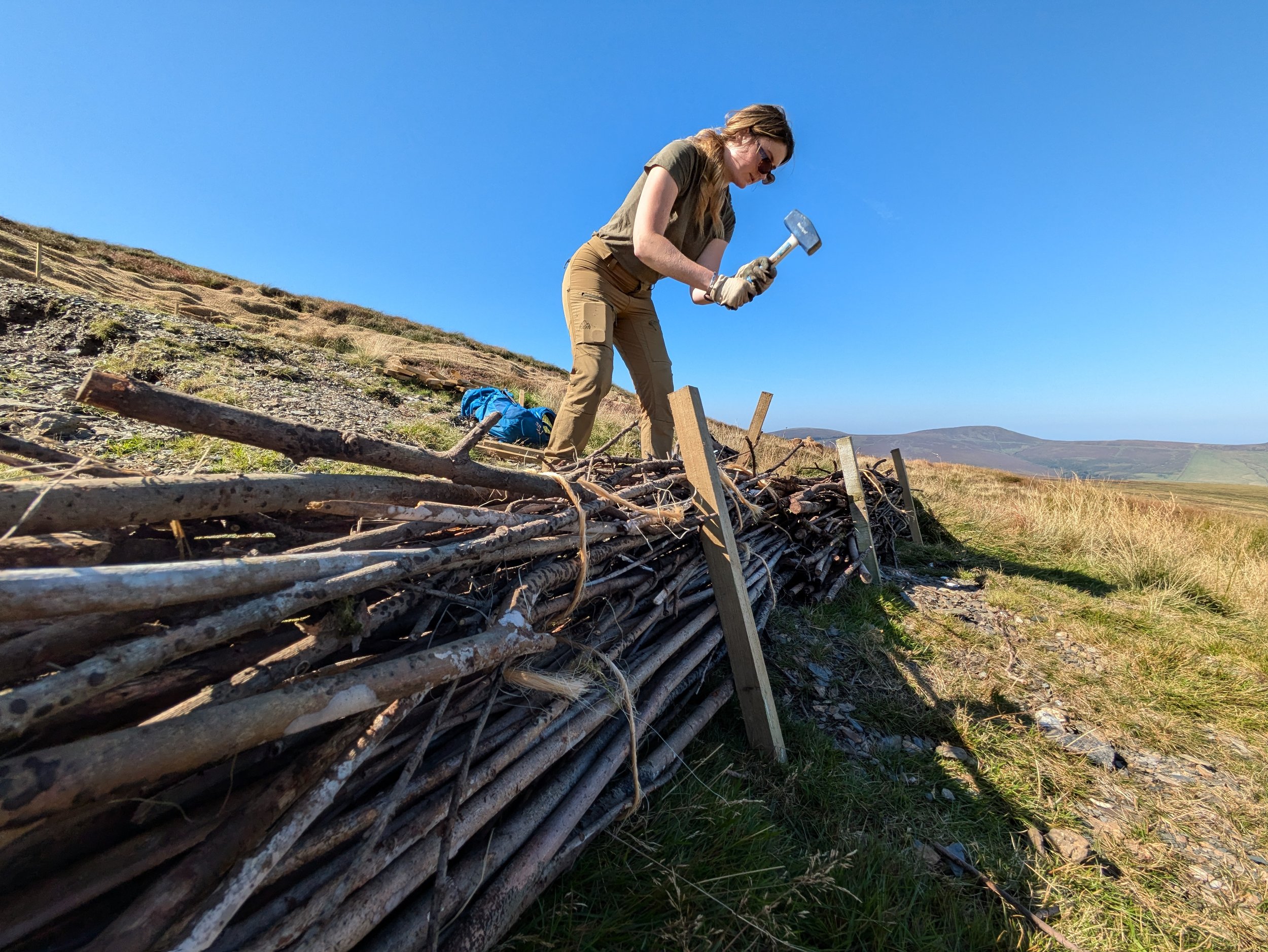
Within the fenced area, exposed and eroding mineral layer areas were stabilised using heather bales and dead willow sediment traps. Heather brash and coir netting were placed to encourage vegetation growth and further reduce erosion. Sphagnum moss plugs have been planted on bare peat.
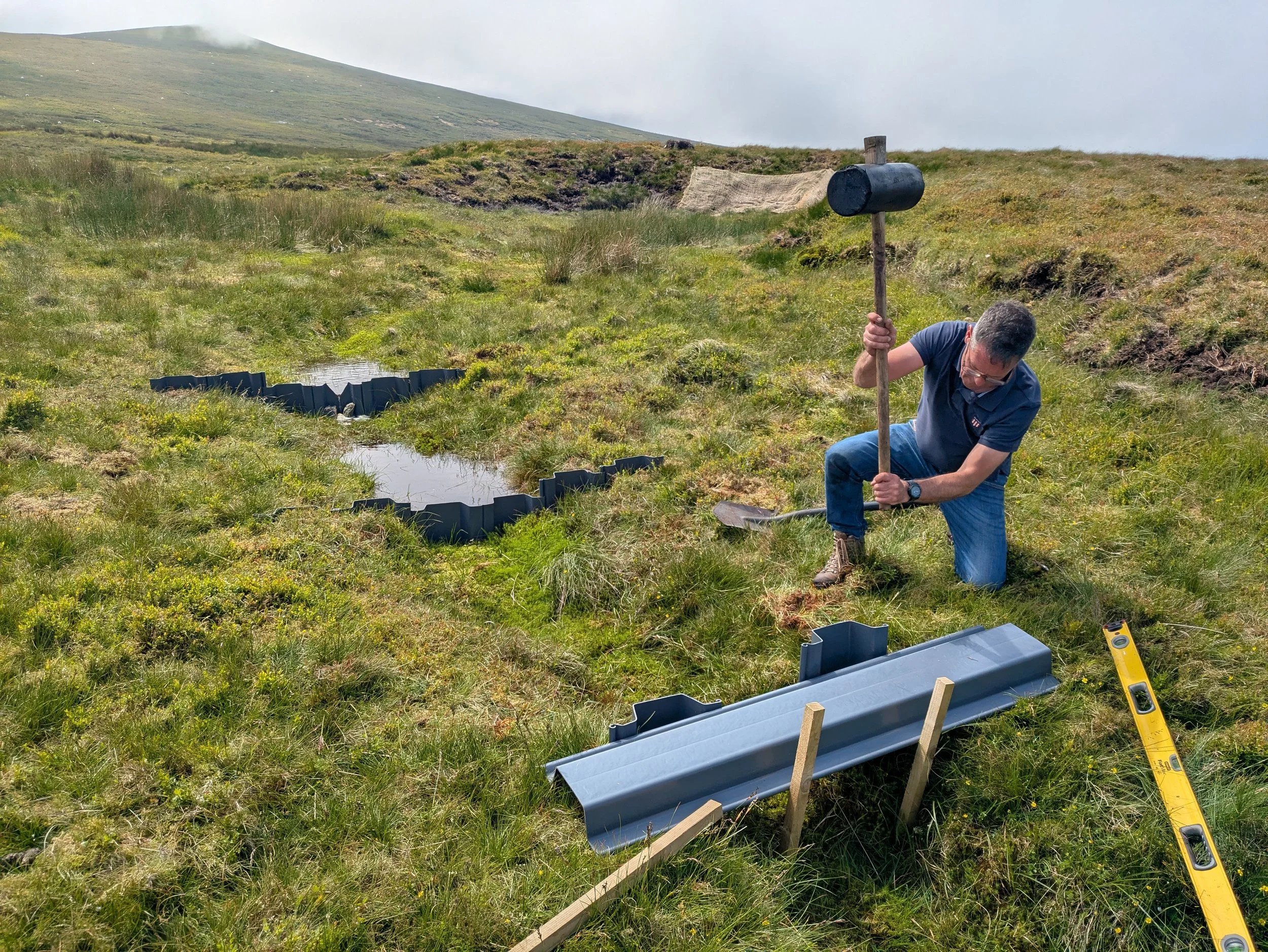
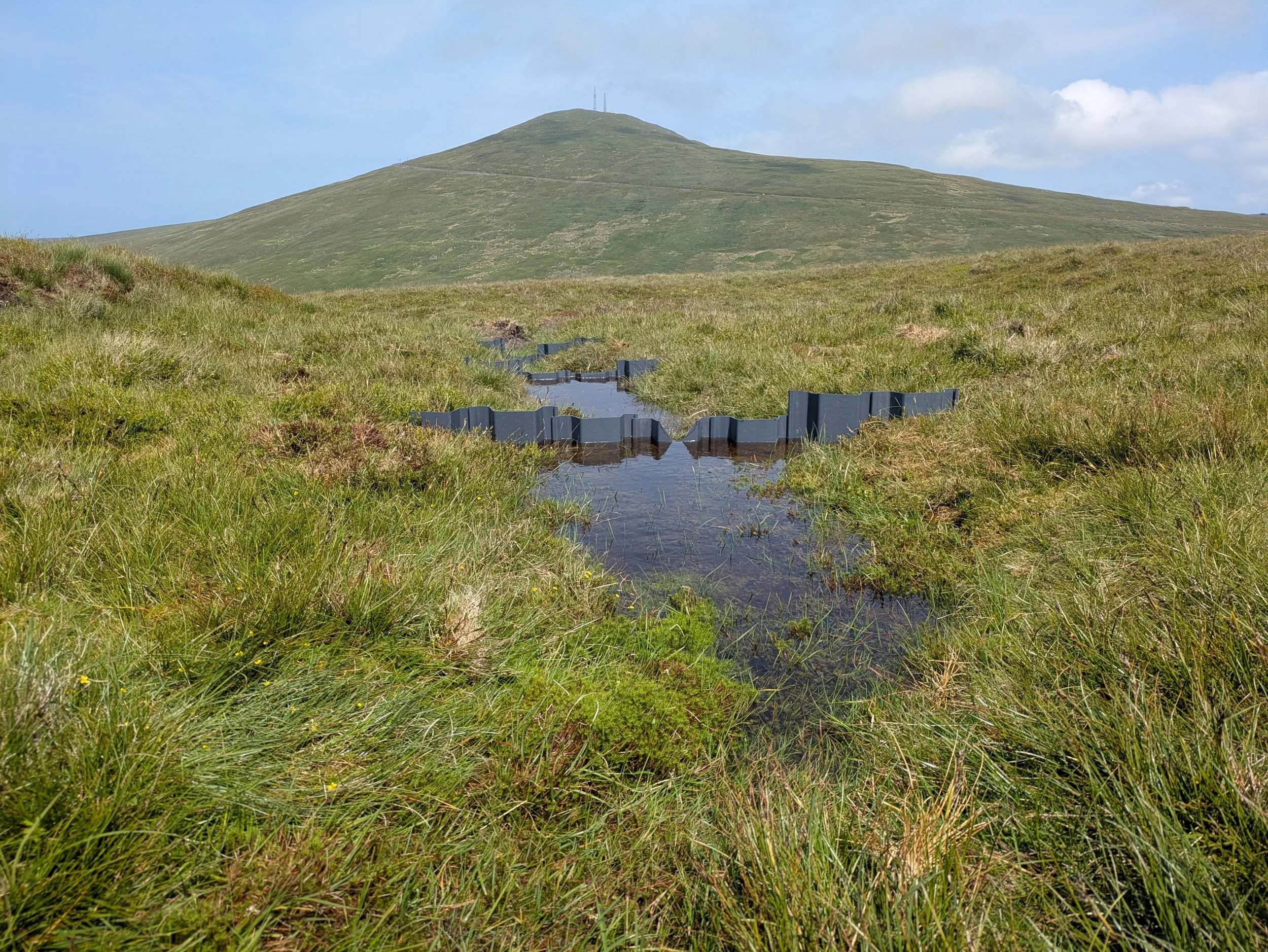
Below the Brandywell road, large drainage ditches have been filled in using the ‘zip and wave dam’ technique. Smaller ditches have been blocked using plastic piling to raise the water table and re-wet the surrounding peat.
Wool logs were installed at this site in March 2026 as part of a trial to assess whether they can be used in place of coir logs in future work.